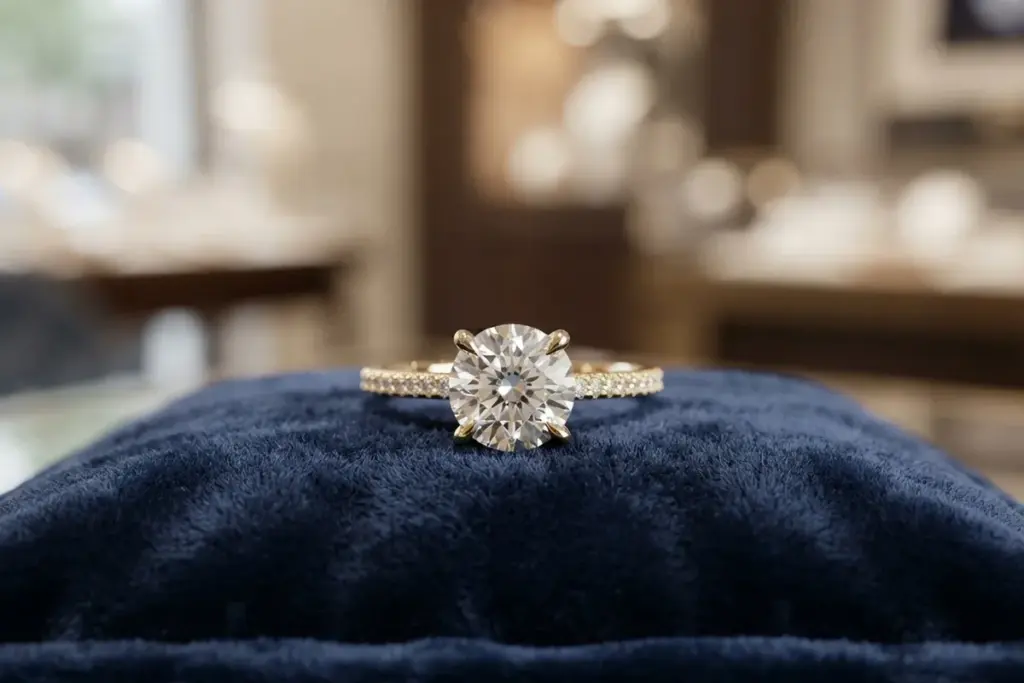
Most people only figure out how to sell a diamond ring in NYC once, and that one experience shapes everything they think they know about the process. The problem is, a lot of that knowledge comes too late. By the time someone realizes they left money on the table, the deal is already done. This article is about making sure that doesn’t happen to you.
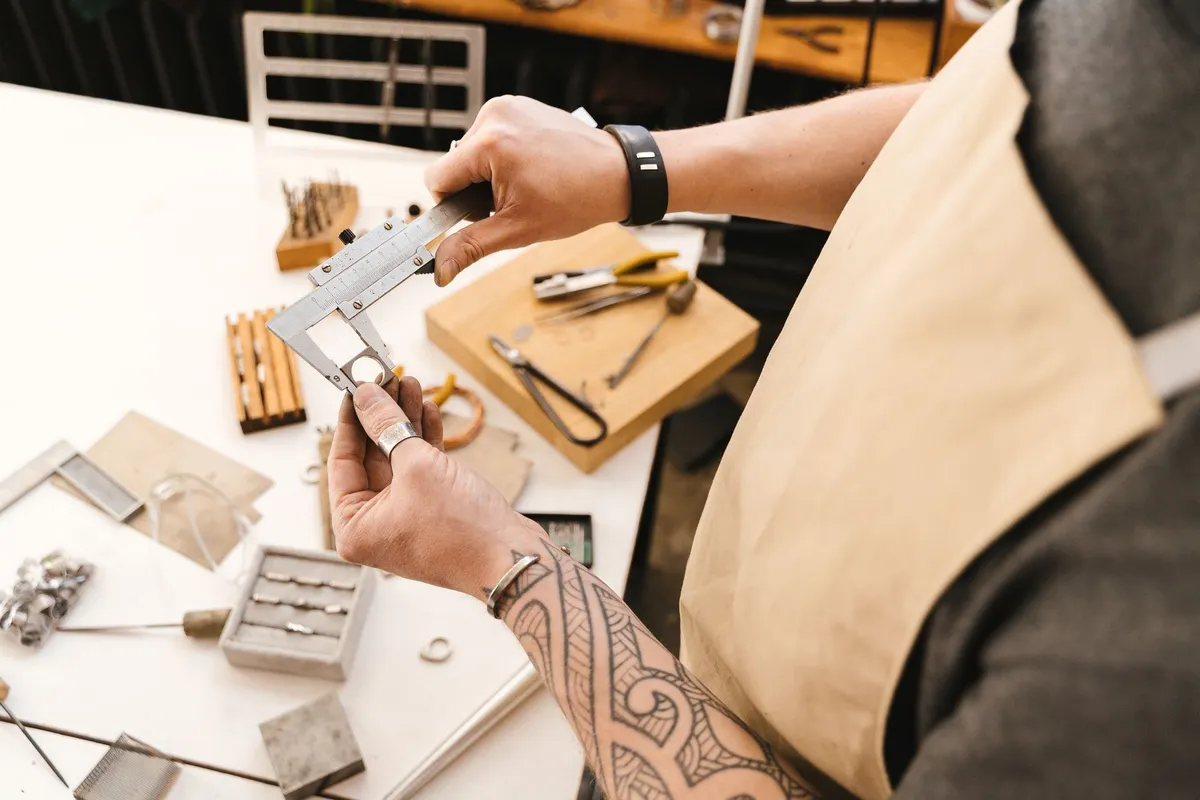
Your Ring Is Worth More Than One Person’s Opinion
The single biggest mistake sellers make is accepting the first offer they receive. It feels decisive. It feels efficient. But a diamond ring isn’t a commodity with a fixed price tag, its value shifts depending on who’s evaluating it, what market they’re buying for, and what their current inventory looks like.
Get at least two or three offers before committing to anything. This isn’t about being difficult, it’s about understanding what your piece is actually worth in the current market. A reputable buyer will respect that. Anyone who pressures you to decide on the spot is telling you something important about how they do business.
If your ring comes with a GIA certificate or other grading documentation, bring it. Certified stones are easier to evaluate objectively, and buyers can move faster with confidence, which often translates to a stronger offer. If you’re not sure how to prepare your stone for sale, this guide on preparing a GIA certified diamond for sale walks through exactly what to do beforehand.
The Appraisal Number on That Paper Is Not What You’ll Be Paid
This one surprises almost everyone. People walk in holding an insurance appraisal that says their ring is worth $12,000 and expect to walk out with something close to that. It doesn’t work that way, and understanding why will save you a lot of frustration.
Insurance appraisals are written high on purpose. They’re designed to cover replacement cost at retail, not resale value. The number reflects what it would cost an insurance company to replace your ring at a jewelry store, not what a buyer in the secondary market will pay for it. These are two very different figures.
Resale value typically runs somewhere between 20% and 50% of retail, depending on the stone’s quality, size, shape, and current demand. Fancy shapes like ovals and cushions have been trending, which can work in your favor. Round brilliants remain consistently strong. Certain vintage cuts carry their own premium with the right buyer.
The point isn’t to lower your expectations, it’s to calibrate them correctly so you can recognize a fair offer when you see one. If you want a clearer picture of what drives value, this breakdown of what a diamond is actually worth today is a good place to start.
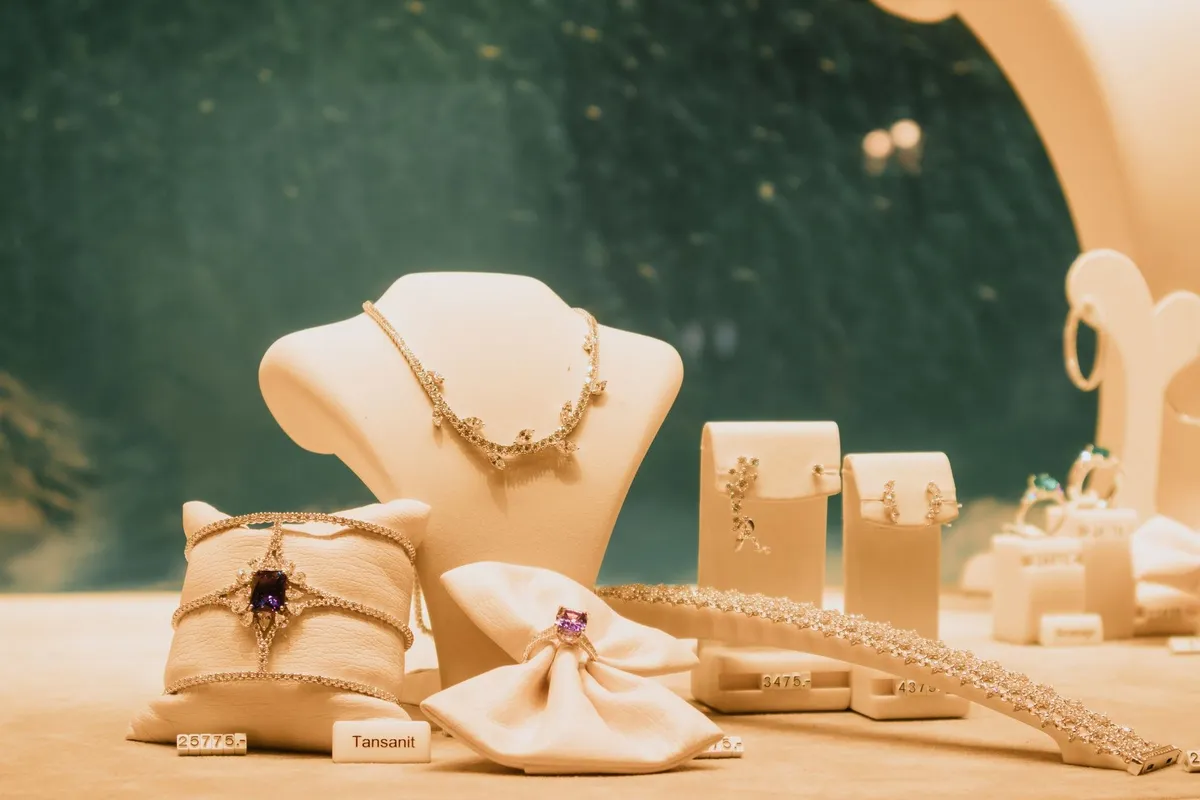
Where You Sell Matters as Much as What You’re Selling
NYC gives you options that most cities simply don’t have. You can go to a pawn shop, a jewelry store, an online platform, an auction house, or a dedicated diamond buyer. Each of those channels has a different buyer profile, a different cost structure, and a different appetite for what you’re selling.
Pawn shops are fast but rarely offer competitive prices on fine jewelry, their model depends on low offers and quick turnover. Online platforms like eBay or Worthy can reach a wider audience, but they come with fees, shipping risk, and no guarantee of a sale. Auction houses are worth considering for exceptional pieces, but they take a significant commission and timelines can stretch for months.
For most people selling a quality diamond ring, working directly with a specialized diamond buyer in NYC cuts through the noise. There are no middlemen, no listing fees, and no waiting. You sit across from someone who knows exactly what they’re looking at and can make a real offer the same day.
Buyers who specialize in diamonds, rather than buying everything from electronics to handbags, tend to offer more because they have direct access to the market for your specific piece. That specialization matters. Many sellers who’ve worked with experienced local buyers describe the process as surprisingly straightforward once they found the right person to work with.
A Few Practical Things That Make a Real Difference
Clean your ring before you bring it in. This sounds trivial, but a dirty stone genuinely looks smaller and less brilliant than it is. A quick soak in warm water with a drop of dish soap and a soft brush takes five minutes and can change how your piece presents at first glance.
Gather any paperwork you have, original receipts, grading reports, previous appraisals. None of it is required, but all of it helps. Documentation gives a buyer confidence, and confident buyers make stronger offers.
Know roughly what you have before you walk in. You don’t need to be an expert, but understanding your stone’s approximate carat weight, whether it’s natural or lab grown, and whether it has any notable characteristics puts you in a better position to have an informed conversation. If you’re selling a lab grown stone specifically, the market dynamics are a bit different, this article on selling lab grown diamonds covers what to expect.
Finally, don’t let sentiment cloud your judgment in either direction. Selling a ring that carries emotional history is genuinely hard, and there’s no shame in taking your time. But once you’ve decided to sell, approach it as a financial transaction. The goal is to walk away with the best possible return, and that starts with being informed before you ever step through the door.
If you’re ready to take the next step, the team at Sell Diamond Ring NYC brings years of specialized experience to every evaluation, no pressure, no gimmicks, just a straightforward offer based on what your piece is actually worth in today’s market.
Frequently Asked Questions
My insurance appraisal says my ring is worth $15,000, is that what I should expect to be offered?
No, and this is one of the most common points of confusion sellers run into. Insurance appraisals are written to reflect retail replacement cost, not what a buyer in the secondary market will pay, resale value typically lands somewhere between 20% and 50% of that number depending on the stone’s size, quality, shape, and current demand. Going in with that range in mind helps you recognize a fair offer instead of walking away from one.
How many buyers should I visit before accepting an offer in NYC?
At least two or three, the article is direct about this, and for good reason. A diamond ring doesn’t have a fixed price; what a buyer offers depends on their market access, current inventory, and what they specialize in, so offers can vary more than most people expect. Anyone who pressures you to decide on the spot before you’ve had a chance to compare is a red flag worth taking seriously.
Does it actually matter whether I bring in paperwork like a GIA certificate or old receipts?
It’s not required, but it makes a real difference. A GIA certificate lets a buyer evaluate the stone objectively and move faster with confidence, which often results in a stronger offer. Original receipts and previous appraisals add the same kind of confidence, documentation removes uncertainty, and buyers who feel certain tend to offer more.
Why would a specialized diamond buyer in NYC offer more than a pawn shop or an online platform?
Pawn shops run on low offers and fast turnover, fine jewelry isn’t their focus and their pricing reflects that. Online platforms like eBay or Worthy can reach more buyers, but you’re dealing with listing fees, shipping risk, and no guarantee the piece actually sells. A buyer who works specifically in diamonds has direct access to the market for your piece and no middlemen eating into what they can offer you.
Does the shape of my diamond affect what I’ll be offered right now?
Yes, and the current market has some clear patterns worth knowing. Fancy shapes like ovals and cushions have been trending, which can work in a seller’s favor, while round brilliants stay consistently strong across the board. Certain vintage cuts also carry their own premium with the right buyer, so shape is one of the factors worth understanding before you walk in.
Get Directions to Selling Diamonds in NYC
🎧 Listen to this as a podcast
Also on Apple Podcasts, Spotify, and Amazon Music.