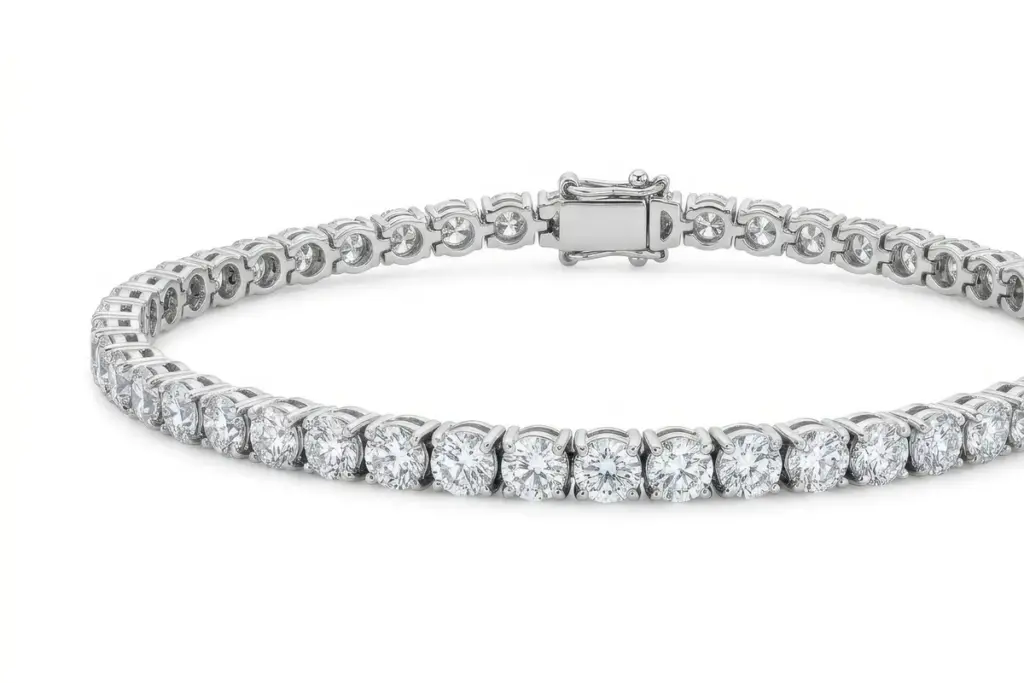
If you’re thinking about how to sell diamond tennis bracelet in NYC, the first thing most people get wrong is assuming the bracelet’s retail price has anything to do with what a buyer will offer. It doesn’t. And once you understand why, the whole process becomes a lot less frustrating, and a lot more profitable. Here’s what you actually need to know before you walk through anyone’s door.
Your Appraisal Isn’t the Number You Think It Is
This is where most sellers hit their first wall. They pull out an old appraisal, maybe from when the bracelet was a gift, maybe from an insurance update years ago, and they expect that number to be the starting point for a sale. It isn’t.
Insurance appraisals are written high on purpose. They’re designed to cover replacement cost at retail, which includes jeweler markups, overhead, and a healthy profit margin. When you’re selling, none of that applies. A buyer is looking at what the piece is actually worth on the resale market, the diamonds themselves, the metal weight, and how quickly they can move it.
That gap between appraisal value and resale value can be significant, sometimes 50% or more. That’s not a scam, it’s just how the secondary market works. If you want a deeper look at why appraisal figures can mislead sellers, this breakdown on diamond appraisal myths in NYC is worth reading before you make any decisions.
What Actually Drives the Value of a Tennis Bracelet
Not all tennis bracelets are created equal, and buyers know this immediately. A few things matter more than anything else when someone is evaluating yours.
Total carat weight: This is the big one. A bracelet with 5 total carats of diamonds is worth significantly more than one with 2 carats, even if they look similar at a glance. If you have documentation, a GIA certificate, original paperwork, or a jeweler’s description, bring it. It removes guesswork and builds trust.
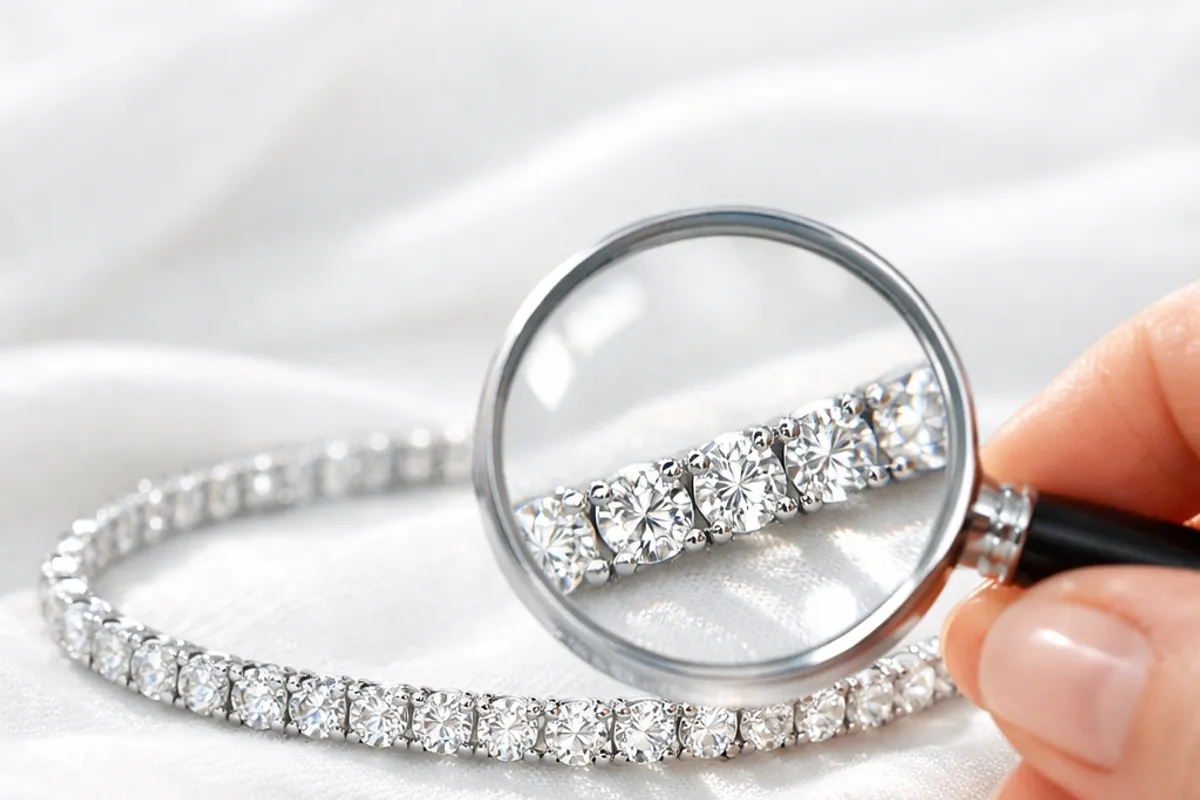
Diamond quality: Color and clarity grades affect value, but not always as dramatically as sellers expect. A bracelet full of SI1, G-color stones is genuinely desirable. You don’t need flawless diamonds to get a strong offer.
Metal type: Platinum and 18k white gold settings carry different melt values. A platinum tennis bracelet has meaningful metal value on top of the diamonds. If yours is set in platinum, that’s a real plus, and a good platinum buyer will price that accordingly.
Condition: Tennis bracelets take a beating. They’re worn daily, they get knocked around, and the prongs holding each stone can wear down over time. A bracelet in excellent condition with all stones intact will always command a better offer than one that needs work.
The Prep Work That Most Sellers Skip
You don’t need to do anything dramatic before selling, but a little preparation goes a long way. Start by giving the bracelet a gentle clean, a soft toothbrush, warm water, and a drop of dish soap will do it. Buyers notice when a piece looks cared for, and first impressions matter even in a professional transaction.
Gather any paperwork you have. Original receipts, certificates, or even old appraisals are all useful context. They don’t guarantee a higher offer, but they help a buyer work faster and with more confidence, which often translates to a better number for you.
Get more than one offer. This isn’t about being difficult, it’s just smart. The resale market has real variation, and a reputable buyer won’t pressure you to decide on the spot. If someone is rushing you, that’s a signal worth paying attention to. Sellers who take their time and compare offers consistently walk away more satisfied, and that matches what people who’ve been through this process tend to say looking back.
If you want a full checklist to make sure nothing falls through the cracks, this step-by-step guide for selling diamonds in NYC covers the whole process in a practical, no-nonsense way.
Why Selling in NYC Is Actually an Advantage
The city gives you something most sellers in other markets don’t have, genuine competition. There are serious, experienced buyers here who deal in fine jewelry every single day, and that competitive environment works in your favor. A buyer who knows the market and moves volume can afford to pay more than a pawn shop or a casual online platform.
The key is finding a buyer who specializes in diamonds and fine jewelry, not someone who dabbles in it alongside electronics and handbags. Specialists understand the nuances, they know what a well-matched bracelet of round brilliants is worth versus one with lower-grade stones, and they price accordingly.
Our team at NYC’s trusted diamond buyers has spent decades working with sellers across every type of piece, from single-stone rings to full suites of fine jewelry. Tennis bracelets come through regularly, and the offers reflect real market knowledge, not guesswork. When sellers come in informed and prepared, the conversation is faster, more transparent, and almost always more rewarding for everyone involved.
The bottom line is simple: a diamond tennis bracelet holds real value, and with the right preparation and the right buyer, you can walk away with a fair return. Don’t let a misleading appraisal or a rushed first offer shortchange you. Take the time to understand what you have, and the NYC market will work in your favor.
Frequently Asked Questions
My insurance appraisal says my bracelet is worth $8,000, is that what I should expect to get from a buyer in NYC?
No, and the gap can be significant, sometimes 50% or more below that appraisal figure. Insurance appraisals are written to cover retail replacement cost, which includes jeweler markups and overhead that have nothing to do with what a buyer will pay on the resale market. Think of the appraisal as a document for your insurance company, not a price tag for a sale.
Does the total carat weight of my bracelet matter more than the quality of the individual diamonds?
Total carat weight is the biggest driver of value, a bracelet with 5 carats is worth significantly more than one with 2 carats even if they look nearly identical at a glance. That said, diamond quality still matters; a bracelet full of SI1, G-color stones is genuinely desirable and will earn a strong offer. Bring any original paperwork or GIA certificates you have, because documentation removes guesswork and helps a buyer work faster.
My bracelet is set in platinum, does that actually change what I’ll be offered?
Yes, it does. Platinum carries meaningful metal value on top of the diamonds, which a knowledgeable buyer will factor into the offer separately from the stones. A buyer who specializes in fine jewelry will price that correctly; someone who dabbles in it alongside other goods probably won’t.
Some of the prongs on my bracelet are worn down, should I get it repaired before bringing it in?
The article doesn’t recommend paying for repairs beforehand, but condition does affect the offer, a bracelet with all stones intact and no visible wear will always command more than one that needs work. A gentle clean with a soft toothbrush, warm water, and dish soap is worth doing before any appointment, since buyers do notice when a piece looks cared for. Skip the costly repairs and let the buyer factor condition into their evaluation honestly.
How many buyers should I visit before deciding, and is it rude to not accept the first offer?
Getting more than one offer is just smart, the resale market has real variation between buyers, and no reputable buyer will pressure you to decide on the spot. If someone is rushing you to commit immediately, that’s a warning sign worth taking seriously. Sellers who compare offers consistently walk away more satisfied, so take the time the decision deserves.
Get Directions to Selling Diamonds in NYC
🎧 Listen to this as a podcast
Also on Apple Podcasts, Spotify, and Amazon Music.