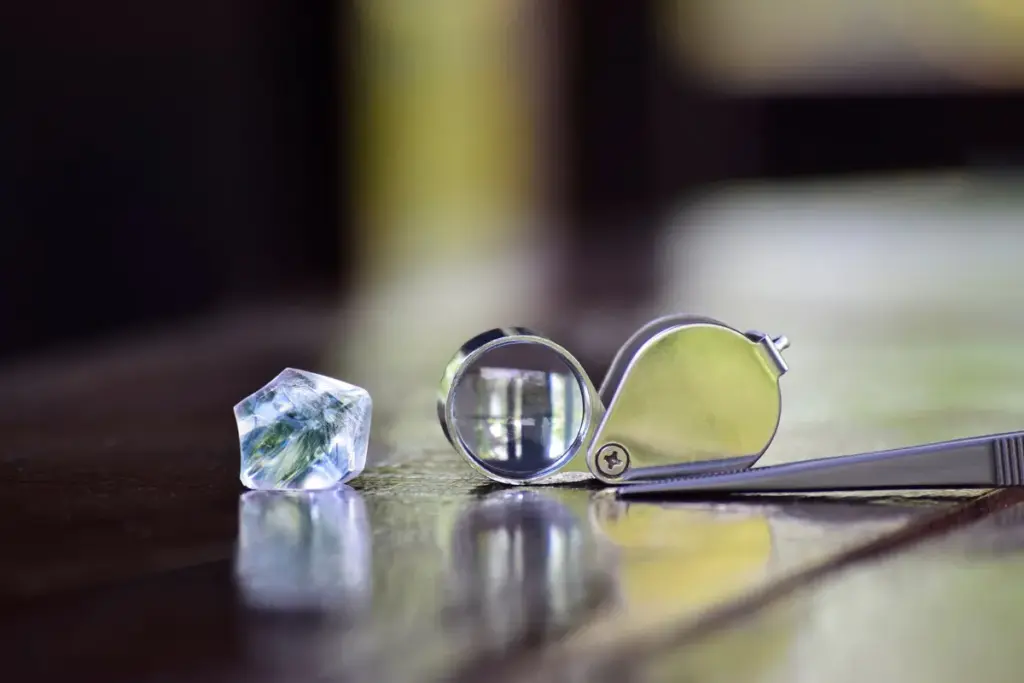
There’s a moment most sellers don’t anticipate, the one where they realize they had more leverage than they used. If you’re planning to sell a GIA certified diamond in NYCthat piece of paper from the Gemological Institute of America is genuinely one of the most powerful things you can walk through the door with. But having the certificate isn’t the whole story. What you do before, during, and after that first conversation with a buyer can mean the difference between a fair offer and a great one.
Your Certificate Is a Conversation Starter, Not a Price Tag
A lot of sellers assume the GIA report does all the heavy lifting. It doesn’t. What it does is remove doubt. A buyer looking at an uncertified stone has to make assumptions, about color, clarity, cut grade. With a GIA report in hand, those assumptions disappear, and the conversation shifts to market value rather than stone quality debates.
That’s a meaningful shift. When a buyer doesn’t have to hedge against uncertainty, they can make a stronger offer. So yes, your certificate matters, but think of it as opening the door, not closing the deal. The deal gets closed by how well you understand what your stone is actually worth on today’s market, and how prepared you are to have that conversation.
One thing worth knowing: the GIA grade on your report reflects quality, not demand. A D-color, VS1 stone is objectively excellent, but if the market is flooded with similar stones right now, that affects what a buyer will pay. Grading and pricing are two different things, and conflating them is one of the most common mistakes sellers make.
What Smart Sellers Do Before They Walk In the Door
Preparation isn’t about being difficult or adversarial, it’s about being informed. Sellers who take a little time before their first appointment consistently walk away with better outcomes. Here’s what that looks like in practice.
Know your 4Cs cold. Your GIA report lists carat weight, cut, color, and clarity. Before you meet with any buyer, you should be able to speak to each one without looking at the paper. This signals that you understand what you have, and buyers notice that.
Research recent sales, not retail prices. Retail price and resale value are not the same thing, not even close. Look at what comparable certified stones have actually sold for through auction houses, estate sales, or secondary market platforms. That gives you a realistic baseline. If you want a deeper look at how to approach this, this breakdown of insider selling strategies is worth reading before your appointment.
Gather everything that came with the stone. Original packaging, purchase receipts, prior appraisals, none of these change the GIA grade, but they do build a complete picture. A buyer who sees a well-documented stone is a buyer who feels confident, and confident buyers make better offers.
Get more than one offer. This isn’t a negotiating tactic, it’s just good sense. NYC has no shortage of experienced buyers, and the spread between offers can be surprising. Don’t settle for the first number you hear.
The NYC Market Has Its Own Rules
Selling a certified diamond in New York is genuinely different from doing it anywhere else. The density of experienced buyers, the proximity to the diamond district, and the sheer volume of transactions that happen here every week create a more competitive environment, which, for sellers, is actually a good thing.
Buyers in this city see high volumes of certified stones. They know the market intimately. That means you’re less likely to get a lowball offer from someone who doesn’t know what they’re looking at, but it also means you won’t get away with inflated expectations based on retail appraisals. The market here is efficient, and that cuts both ways.
What it rewards is preparation and honesty. Come in knowing what you have, be realistic about what the secondary market supports, and you’ll find that reputable buyers respond in kind. Many people who’ve worked with established buyers in the city, including those who’ve come through our office, describe the process as far more straightforward than they expected. The anxiety going in rarely matches the experience itself.
If you’re also curious about what happens after a sale is finalized, where stones go, how they’re re-evaluated, this look at the post-sale process gives a clear picture of what comes next.
Choosing the Right Buyer Matters More Than Most People Think
Not all buyers are created equal, and in a city this size, that’s easy to forget. You want someone who specializes in certified stones, has transparent pricing practices, and will take the time to explain their offer, not just hand you a number and wait.
At our NYC locationwe work specifically with sellers who have certified diamonds, estate jewelry, and high-value pieces. The process is straightforward: you bring the stone and the report, we evaluate both, and we make an offer based on current market conditions, not a formula designed to protect our margin at your expense.
Experience matters here. A buyer who has handled thousands of GIA-graded stones reads a report differently than someone who sees them occasionally. They catch nuances, fluorescence, polish grades, specific clarity characteristics, that can affect value in ways a seller might not anticipate. That expertise should work in your favor, not against you.
If you’re ready to move forward, the best first step is simply getting an offer. No commitment, no pressure, just a real number based on what your stone is actually worth. You can start that process here and see where things stand before you make any decisions.
The certified diamond you’re holding has real value. The question is whether you’re positioned to capture it.
Frequently Asked Questions
If I have the GIA report, why do I still need to research recent sales before meeting with a buyer in NYC?
The GIA report tells a buyer what your stone is, color, clarity, cut, carat, but it says nothing about what the market will actually pay for it right now. A D-color VS1 stone is objectively excellent, but if similar stones are in heavy supply at the moment, that affects the offer you’ll receive. Checking recent auction results and secondary market sales gives you a realistic number to anchor the conversation, not a retail appraisal that has no bearing on resale.
Does bringing the original packaging and purchase receipt actually change what a buyer will offer me?
It doesn’t change the GIA grade itself, but it does change how confident a buyer feels about the stone’s history and condition. A complete, well-documented stone signals to the buyer that there’s nothing to second-guess, and buyers who feel confident tend to make stronger offers. Think of it as removing friction rather than adding value on paper.
How many offers should I get before deciding, and is shopping around considered bad form in NYC?
The article is direct on this: get more than one offer, and it’s not a negotiating tactic, it’s just common sense. NYC has enough experienced buyers that the spread between offers can be significant, so settling for the first number you hear doesn’t make sense. Reputable buyers here expect informed sellers and won’t take it personally.
Will a buyer in the diamond district automatically know what my GIA-certified stone is worth, or do I still need to come prepared?
NYC buyers do see high volumes of certified stones and know the market well, which means lowball offers from uninformed buyers are less common here, but it also means inflated expectations based on retail appraisals won’t hold up either. The market is efficient, and that cuts both ways. Coming in prepared with realistic secondary market research is what positions you to get a fair result.
What specific details on the GIA report should I actually understand before walking into an appointment?
At minimum, you should be able to speak to all four of the 4Cs, carat weight, cut grade, color, and clarity, without having to look them up mid-conversation. Beyond those basics, details like fluorescence, polish grade, and specific clarity characteristics can affect value in ways sellers don’t always anticipate, so it’s worth reading through the full report carefully. Buyers notice when a seller understands what they’re holding, and that changes the tone of the conversation.
Get Directions to Selling Diamonds in NYC
🎧 Listen to this as a podcast
Also on Apple Podcasts, Spotify, and Amazon Music.
Pingback: Sell Solitaire Ring in NYC: What to Expect