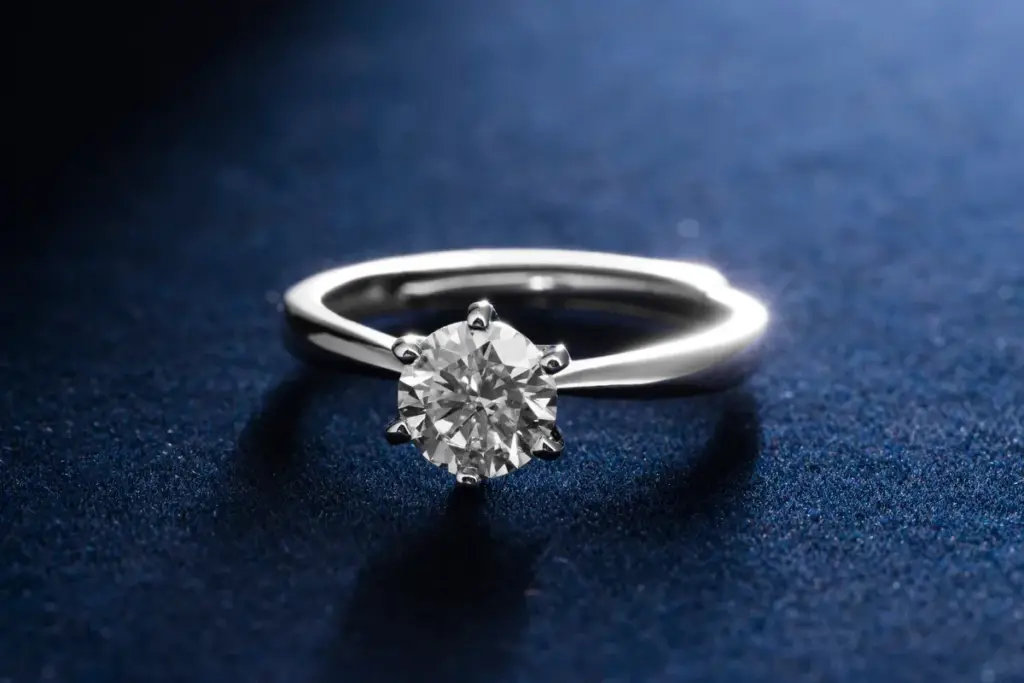
It’s one of the most common questions we hear from people walking through our door: how much is my diamond worth in NYCand will I actually get a fair price for it? The honest answer is that it depends on a handful of very specific factors, and understanding those factors before you sit down with a buyer can mean the difference between walking away satisfied and walking away feeling shortchanged. Let’s break down what actually drives the value of a diamond in today’s market.
The Four Cs Are Just the Starting Line
Most people have heard of the Four Cs, cut, color, clarity, and carat weight. They’re real, they matter, and any serious buyer will evaluate your stone against all four. But here’s what the jewelry industry doesn’t always make clear: the Four Cs are a framework, not a formula. Two diamonds with identical grades on paper can fetch very different prices depending on who’s buying, what the current market looks like, and how the stone actually performs in person.
Cut, for instance, is arguably the most important of the four, and the most misunderstood. A well-cut diamond reflects light in a way that makes it look alive. A poorly cut stone, even with excellent color and clarity, can look dull and flat. Buyers notice this immediately. If your diamond has exceptional brilliance, that’s a real asset. If it was cut for weight retention rather than beauty, expect that to show up in the offer.
Carat weight gets the most attention from sellers, and understandably so, bigger feels like more valuable. But a 2-carat diamond with mediocre clarity and poor cut can be worth less than a tight, well-cut 1.2-carat stone with excellent grades. Weight is one piece of a much larger picture.
What Your Paperwork Is Actually Worth
If your diamond came with a GIA certificate, that’s genuinely valuable, not because the paper itself is worth money, but because it removes uncertainty. A grading report from a reputable lab tells a buyer exactly what they’re getting. That confidence translates directly into a stronger offer. If you’re preparing to sell and want to understand how certification affects your outcome, it’s worth reading up on how to prepare a GIA certified diamond for sale before you walk into any appointment.
Diamonds without documentation aren’t unsellable, experienced buyers can evaluate a stone on its own merits. But expect more scrutiny and, in some cases, a more conservative offer simply because the buyer is taking on more risk. If you have the original paperwork, bring it. If you’ve lost it, ask whether the buyer can help you understand what a re-certification might cost and whether it makes financial sense.
One thing that surprises many sellers: an insurance appraisal is not the same as a resale value. Insurance appraisals are intentionally high, they’re designed to cover replacement cost at retail. The resale market works very differently. If you’ve been told your diamond is worth $15,000 because that’s what your appraisal says, the actual offer you receive will likely be a fraction of that. This isn’t a trick, it’s just how secondary markets work, and understanding diamond appraisal myths can save you a lot of frustration.
Why the NYC Market Changes the Equation
Selling a diamond in New York City is genuinely different from selling one in most other places. The density of buyers here, from private dealers to estate jewelers to wholesale buyers on 47th Street, creates a competitive environment that can work in your favor, but only if you know how to use it. A buyer who knows they’re one of dozens of options in a two-mile radius is motivated to make a strong offer. A buyer who thinks you have nowhere else to go is not.
That competitive pressure is one reason it pays to work with an established diamond buyer in NYC who has a clear reputation and a track record you can verify. People who’ve sold through reputable buyers here often mention the same thing: they appreciated the transparency of the process and felt like they were treated as informed adults rather than people to be managed. That experience matters, especially when you’re parting with something that has real sentimental and financial weight.
Market timing also plays a role. Diamond prices fluctuate based on wholesale demand, seasonal buying patterns, and broader economic conditions. Selling when buyer demand is strong, rather than when you’re in a rush, tends to produce better results. If you have flexibility, use it.
The Condition and Setting Tell Their Own Story
The diamond itself isn’t the only thing on the table. If your stone is set in a ring, bracelet, or other piece of jewelry, the metal and craftsmanship have value too. A diamond set in a well-made platinum or 18k gold mounting from a recognized designer adds context, and sometimes meaningful value, to the overall piece. A diamond rattling around in a worn, damaged setting tells a different story.
Before your appointment, take a close look at the piece. Clean it gently, check the prongs, and note anything that seems worn or damaged. You don’t need to repair it, buyers factor in condition, but knowing what you have going in helps you have a more productive conversation. If you’re selling a diamond tennis bracelet or a more complex piece, a little preparation goes a long way.
The bottom line is that diamond value isn’t a single number, it’s a range, and where your stone lands within that range depends on the stone itself, its documentation, the current market, and who you’re selling to. The best thing you can do is walk in informed, bring everything you have, and work with a buyer who will explain their offer rather than just hand you a number and wait. If you’re ready to find out what your stone is actually worth, get an offer now and start the conversation.
Frequently Asked Questions
My insurance appraisal says my diamond is worth $15,000, is that what I should expect to be offered?
No, and this is one of the most common surprises sellers run into. Insurance appraisals are set at retail replacement cost, which is intentionally high, so the actual offer you receive on the resale market will be a fraction of that number. That’s not a trick or a lowball, it’s just how secondary markets work, and knowing this before you walk in saves a lot of frustration.
Does it matter that I lost the GIA certificate for my diamond years ago?
It does matter, but it doesn’t make your stone unsellable. Without documentation, a buyer has to evaluate the stone entirely on their own, which means more scrutiny and sometimes a more conservative offer because they’re absorbing more risk. It’s worth asking the buyer whether re-certification makes financial sense before your appointment, since the cost may or may not be worth it depending on the stone.
I have a 2-carat diamond, shouldn’t that automatically make it worth more than a smaller stone?
Not necessarily. The article makes this point directly: a 2-carat diamond with mediocre clarity and a poor cut can be worth less than a well-cut 1.2-carat stone with strong grades across the board. Carat weight gets the most attention from sellers, but buyers are looking at the full picture, and a heavy stone that was cut for weight retention rather than brilliance will show that in the offer.
Does selling in NYC actually get me a better price than selling somewhere else?
It can, but only if you use the market to your advantage. The density of buyers in NYC, private dealers, estate jewelers, wholesale buyers on 47th Street, creates real competitive pressure that motivates stronger offers. A buyer who knows you have dozens of other options nearby is in a very different position than one who thinks you have nowhere else to go.
Should I have my diamond cleaned or the setting repaired before I bring it in?
A gentle cleaning is worth doing so both you and the buyer can see the stone clearly, but you don’t need to pay for repairs ahead of time. Buyers factor condition into their offers, and spending money fixing a worn setting before a sale rarely returns what you put in. What does help is knowing the condition going in, check the prongs, note any damage, and be ready to talk about it.
Get Directions to Selling Diamonds in NYC
🎧 Listen to this as a podcast
Also on Apple Podcasts, Spotify, and Amazon Music.