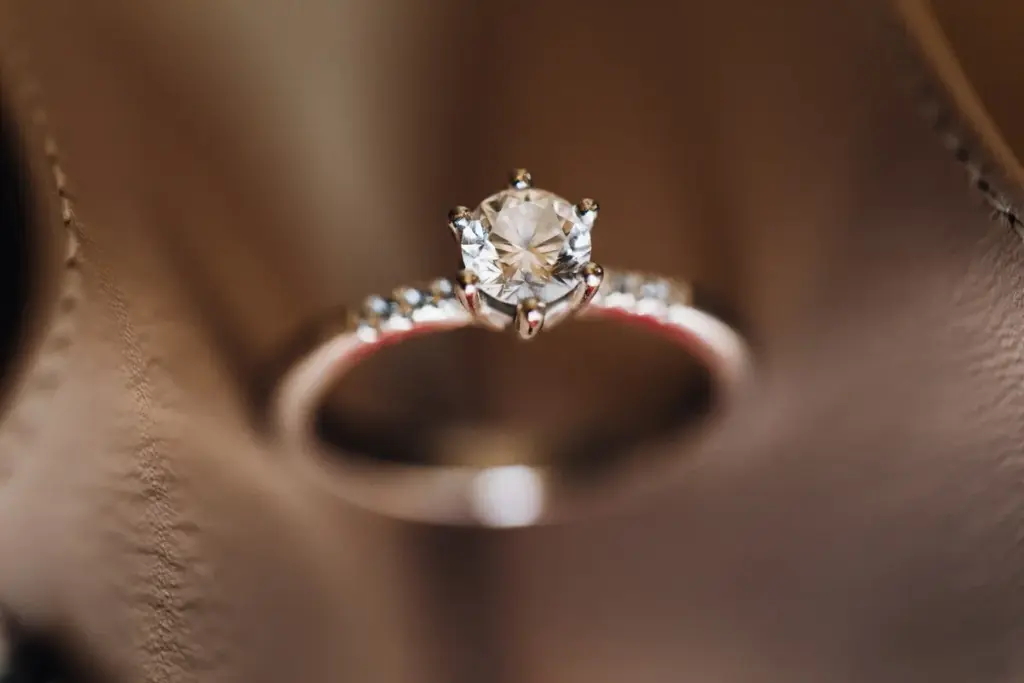
More people than ever are walking into appointments hoping to sell lab grown diamond NYC buyers will actually pay fairly for, and walking out confused, disappointed, or underpaid. The market for these stones has shifted dramatically over the past few years, and if you don’t understand what’s driving those changes, you’re likely leaving real money on the table. Here’s what experienced buyers know that most sellers don’t.
The Price Drop Nobody Warned You About
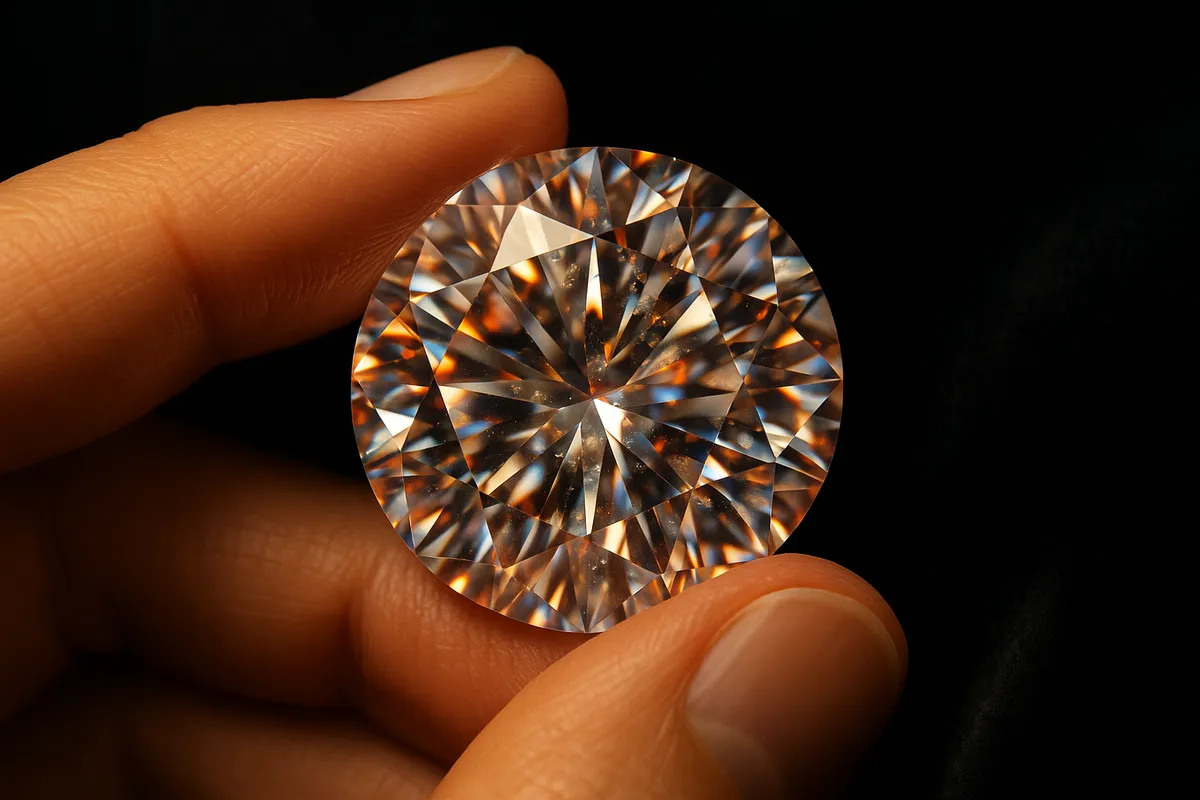
Let’s be direct: lab grown diamonds have lost significant retail value since the early 2020s. The technology to produce them has become cheaper and more widespread, which means the stones themselves are far more abundant than they were just five years ago. Retail prices have dropped anywhere from 50 to 80 percent depending on the size and quality of the stone.
That’s not a rumor. That’s the market.
What this means for sellers is that the resale value of a lab grown stone is going to be considerably lower than what was paid for it at retail, often much more so than a comparable mined diamond. This isn’t a buyer trying to lowball you. It’s simply the reality of a commodity that’s being produced at scale. The sooner you understand this going in, the better positioned you’ll be to make a smart decision rather than an emotional one.
That said, your stone still has value. Buyers who specialize in diamonds, rather than general pawn shops or online mail-in services, will assess the actual quality of what you have and make an offer that reflects the current wholesale market. That distinction matters more than most people realize. If you’re curious about how appraisals can mislead sellers, understanding diamond appraisal myths in NYC is worth reading before your first appointment.
What Actually Determines the Offer You’ll Receive
When a professional buyer looks at your lab grown stone, they’re not just glancing at it and guessing. There’s a structured evaluation happening, and knowing what they’re looking at gives you an advantage.
The four Cs, cut, color, clarity, and carat weight, still apply to lab grown stones the same way they do to mined ones. A well-cut, colorless, eye-clean stone in a larger carat weight is going to command a better offer than a smaller, lower-quality piece. That’s consistent across the board.
But there are a few additional factors that matter specifically for lab grown stones:
- Certification: A stone graded by GIA, IGI, or another respected laboratory carries more credibility and typically results in a stronger offer. If you have your original grading report, bring it. If you don’t, a reputable buyer can still evaluate the stone, but documentation helps.
- The setting: If your stone is mounted in a platinum or gold setting, that metal has independent value. A good buyer will assess both the stone and the metal separately, which can meaningfully improve your total payout. If the mounting is from a recognizable designer, that matters too.
- Size matters more here: Larger lab grown diamonds, particularly those above two carats, tend to hold relatively better resale value than smaller stones, simply because the market for them is more active among buyers who can move them.
If you want a clear picture of what to bring and how to prepare, a checklist for a seamless transaction can help you walk in organized and confident.
Why Who You Sell To Changes Everything
This is where most sellers make their biggest mistake. They accept the first offer they get, usually from a general jewelry store or an online buyer, without realizing how much variation exists between buyers.
Online mail-in services are convenient, but they’re built around volume and low overhead, not maximizing your return. They have no incentive to offer you top dollar because they know most sellers won’t go through the hassle of getting the stone back and trying elsewhere.
General pawn shops are a similar story. They’re not diamond specialists. They’re making a broad guess at value and pricing in significant risk because they’re not confident in their own assessment.
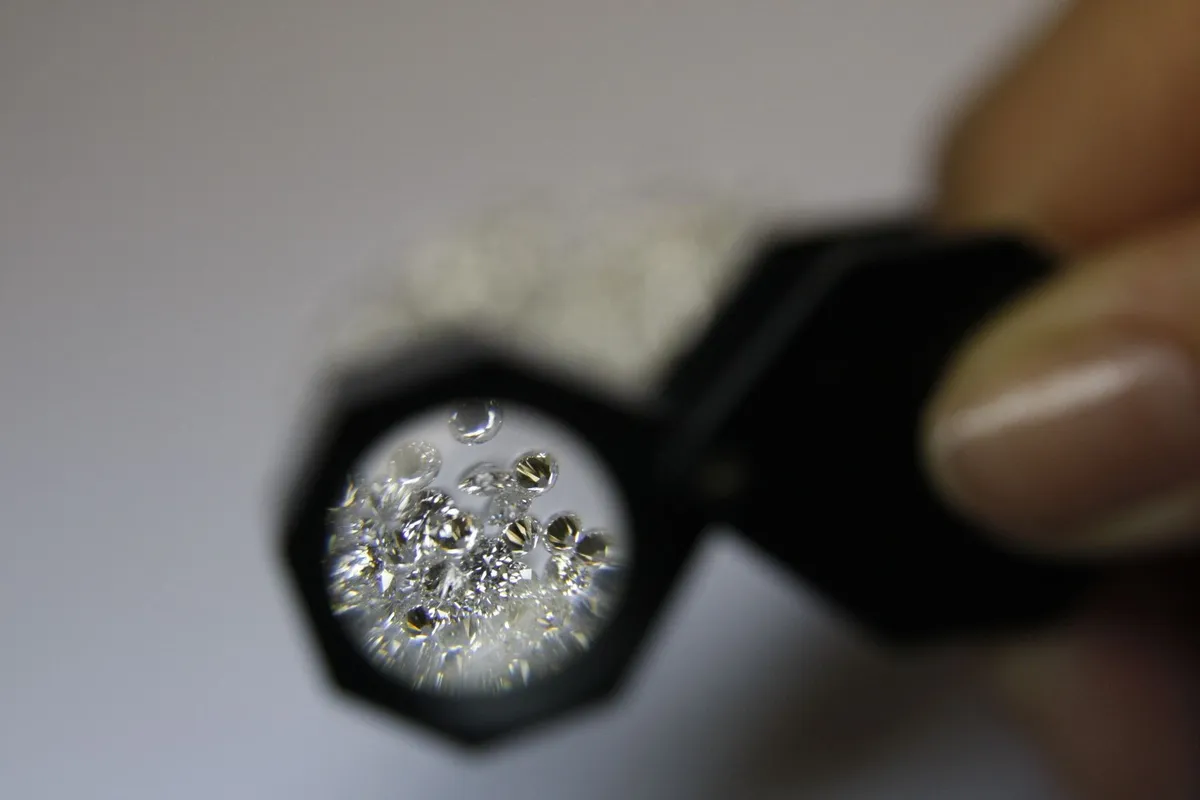
Working with a dedicated diamond buyer in NYC who has deep experience with both mined and lab grown stones is a fundamentally different experience. Specialists understand the current wholesale market, know which buyers downstream are actively purchasing lab grown inventory, and can make offers that reflect actual demand rather than guesswork. Many sellers who’ve gone through this process describe the difference as night and day, not just in the offer itself, but in how the whole transaction feels. Transparent, professional, no pressure.
At Selling Diamonds in NYCthe team has been working with clients across all types of stones for years, and that depth of experience shows in how evaluations are handled, thoroughly, honestly, and without the runaround.
Timing, Expectations, and Making Peace With the Numbers
One of the harder parts of this process is recalibrating what you expect to receive versus what you paid. If you bought a lab grown diamond two or three years ago at retail, the number a buyer offers you today may feel jarring. That’s understandable. But it’s not a reflection of being taken advantage of, it’s a reflection of how quickly this particular market has moved.
The best mindset going in is to treat the stone’s current wholesale value as the baseline, not the retail price on your original receipt. Buyers are purchasing at wholesale because they need room to resell. That’s how every secondary market works, whether you’re talking about diamonds, cars, or electronics.
What you can control is how prepared you are. Bring your grading certificate. Know the approximate carat weight and quality of your stone. Get more than one offer if you have the time. And work with someone who will actually explain their evaluation to you rather than just sliding a number across the table and waiting.
The lab grown diamond market isn’t going away, it’s just maturing. And for sellers who go in with clear eyes and the right buyer, there’s still a fair deal to be made. If you’re ready to find out what your stone is worth, getting an offer is a straightforward first step with no obligation attached.
Frequently Asked Questions
How much value have lab grown diamonds actually lost, and does that affect what I’ll be offered today?
Retail prices on lab grown diamonds have dropped anywhere from 50 to 80 percent since the early 2020s, depending on the size and quality of the stone, that’s not a negotiating tactic, it’s where the market currently sits. What this means practically is that the offer you receive will be based on today’s wholesale value, not what you paid at retail two or three years ago. The sooner you separate those two numbers in your head, the easier the whole process becomes.
Does it matter if I still have the original grading certificate from GIA or IGI?
Yes, it matters, a stone graded by a respected laboratory like GIA or IGI carries more credibility with buyers and typically results in a stronger offer. That said, a reputable buyer can still evaluate your stone without documentation; they just have less to work from. Bring the certificate if you have it, along with any other paperwork from the original purchase.
My diamond is still in its setting, should I have it removed before I come in?
No, leave it in the setting. If the mounting is platinum or gold, that metal has its own independent value and a good buyer will assess both the stone and the metal separately, which can meaningfully improve your total payout. If the setting is from a recognizable designer, that’s worth mentioning as well.
Why would I get a different offer from a diamond specialist versus a pawn shop or online mail-in service?
Pawn shops aren’t diamond specialists, they’re making a broad guess at value and pricing in significant risk because they’re not confident in their own assessment. Online mail-in services are built around volume, not maximizing your return, and they know most sellers won’t go through the hassle of requesting the stone back to try elsewhere. A dedicated diamond buyer understands the current wholesale market and knows which downstream buyers are actively purchasing lab grown inventory, so their offers reflect actual demand rather than guesswork.
Does the carat weight of my stone make a real difference in what I can expect to receive?
It does, particularly once you get above two carats. Larger lab grown diamonds tend to hold relatively better resale value than smaller stones because the market for them is more active among buyers who can move them. The other three Cs, cut, color, and clarity, still factor in the same way they would for a mined diamond, so a well-cut, colorless, eye-clean stone in a larger size is going to be the strongest position you can be in.
Get Directions to Selling Diamonds in NYC
🎧 Listen to this as a podcast
Also on Apple Podcasts, Spotify, and Amazon Music.