If you’ve decided to sell solitaire ring NYC, you’re already ahead of most people, because making that decision is usually the hardest part. What comes next should be straightforward, but for a lot of sellers, it isn’t. The process can feel confusing, the offers can feel arbitrary, and the whole experience can leave you wondering if you left money on the table. It doesn’t have to be that way. Here’s what you actually need to know before you walk through anyone’s door.
Your Retail Price Is a Starting Point, Not a Benchmark
This is the thing that catches people off guard more than anything else. You paid $8,000 for that ring, maybe more, and you expect to get something reasonably close to that. But the resale market doesn’t work like the retail market, and no amount of wishing will change that.
Retail prices include designer markups, store overhead, sales commissions, and a significant profit margin built in for the jeweler. When a buyer evaluates your ring, they’re looking at the diamond itself, its cut, color, clarity, and carat weight, along with the current wholesale market for that stone. The setting, unless it’s platinum or a significant amount of gold, often adds very little to the offer.
That’s not a scam. That’s just how the secondary market for diamonds functions. The sellers who do best are the ones who understand this going in, rather than anchoring to what they originally paid. If you want a clearer picture of how appraisals factor into this, this breakdown of diamond appraisal myths in NYC is worth reading before your first appointment.
The Diamond Does Most of the Talking
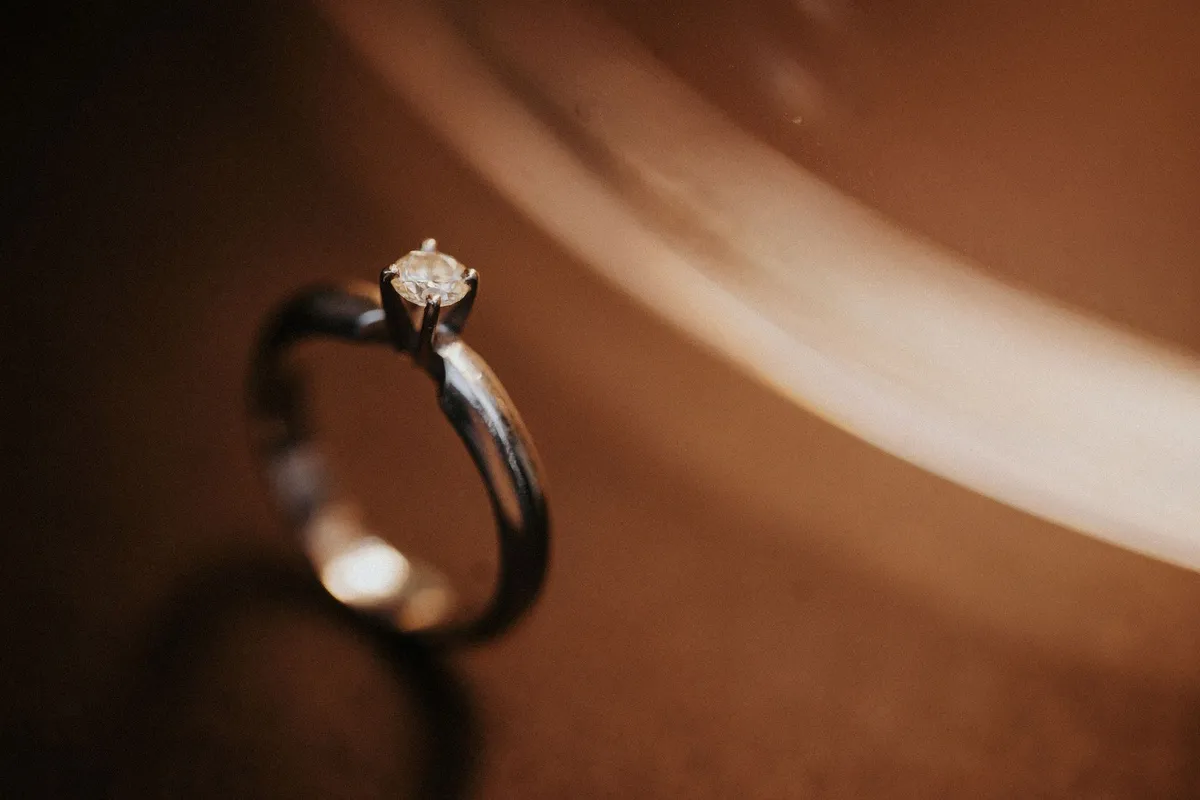
A solitaire ring is, by design, all about the center stone. There’s no halo to distract, no side stones to factor in, just the diamond front and center. That’s actually good news for sellers, because it means the evaluation is relatively clean and focused.
What drives your offer is the quality of that stone. A well-cut, GIA-certified diamond in the one-carat-plus range with strong color and clarity grades is going to attract serious attention from buyers. A stone without certification, or one with grades that fall below the sweet spot buyers are looking for, will come in lower, sometimes significantly.
If your ring came with a GIA or AGS certificate, hold onto it. Bring it to every appointment. Certified stones are easier to price accurately, which means buyers can offer more confidently. No certificate doesn’t mean no sale, it just means the buyer has to do more work to assess the stone, and that uncertainty often gets reflected in the offer. Preparing your GIA-certified diamond properly before the sale can make a real difference in what you walk away with.
Why Getting Multiple Offers Is Non-Negotiable
New York City has no shortage of buyers, pawnshops, estate jewelers, diamond dealers, and online platforms all compete for inventory. That competition is your leverage, but only if you use it.
One offer tells you nothing. Two offers give you a comparison. Three or more give you a real sense of where the market sits for your specific stone. Buyers know this, and the reputable ones won’t pressure you to decide on the spot. If someone is rushing you or making you feel like the offer expires in the next five minutes, that’s a red flag worth taking seriously.
The sellers who consistently report the best experiences, and the best outcomes, are the ones who treated the process like a transaction, not an emotional event. They came prepared, they got multiple opinions, and they chose the buyer who combined a fair offer with a transparent process. Many people who’ve worked with established diamond buyers in NYC mention that the transparency of the evaluation process was just as important to them as the final number.
What the Setting Is Actually Worth
Most solitaire rings sit in a simple prong setting, four or six prongs, a plain band, clean lines. Classic for a reason. But when it comes to resale value, that setting is almost always evaluated purely on its metal content.
A platinum setting will be weighed and priced based on current platinum spot prices. A white gold or yellow gold band gets the same treatment, weight times purity times the going rate for that metal. If you’re curious about what that might look like separately from the diamond, it helps to understand how platinum is valued on its own terms.
The exception is if your ring has a designer or branded setting, a Tiffany & Co. solitaire, for instance, carries name recognition that can add real value beyond the metal weight. If that’s what you have, make sure you’re talking to a buyer who specifically recognizes and accounts for that. Not all of them do.
Choosing the Right Buyer Changes Everything
There’s a real difference between walking into a pawnshop and sitting down with a specialist who has spent decades buying and evaluating diamonds. The offer might look similar on paper, but the experience, and often the final number, is not.
Look for buyers who are transparent about how they arrived at their offer. A good buyer will walk you through the evaluation, explain what they’re looking at, and answer your questions without making you feel rushed or foolish. If the process feels opaque or pressured, move on.
Midtown Manhattan has a concentration of serious diamond buyers for a reason, the volume of transactions, the access to wholesale markets, and the competition among buyers all work in your favor as a seller. Working with an experienced team that specializes in diamonds, rather than a general jewelry shop that dabbles in buying, tends to produce better results. You can get an offer now and see exactly what that kind of transparent, professional evaluation looks like in practice.
Selling a diamond ring is a financial decision, and it deserves the same care you’d give any significant transaction. Know your stone, get your paperwork together, shop your options, and choose a buyer who earns your business rather than just expecting it.
Frequently Asked Questions
If I paid $8,000 for my ring, what kind of offer should I realistically expect in NYC?
The resale offer will almost always be well below what you paid at retail, because retail prices include designer markups, store overhead, sales commissions, and the jeweler’s profit margin, none of which carry over to the secondary market. What a buyer is actually pricing is the diamond itself based on its cut, color, clarity, and carat weight, along with where the wholesale market sits for that stone right now. Going in with that understanding puts you in a much better position than anchoring to your original purchase price.
Does it matter if my diamond doesn’t have a GIA certificate?
It won’t disqualify you from getting an offer, but it does affect the process, without a certificate, the buyer has to do more work to assess the stone, and that uncertainty often gets reflected in a lower number. A GIA or AGS certificate lets a buyer price the diamond more confidently, which generally means they can offer more. If you have the paperwork, bring it to every appointment.
How many buyers should I visit before I decide who to sell to?
One offer tells you nothing useful, you need at least two or three to get a real sense of where the market sits for your specific stone. New York City has a lot of buyers competing for inventory, and that competition only works in your favor if you actually use it. Any buyer who pressures you to decide on the spot or implies the offer expires immediately is worth walking away from.
Is the setting on my solitaire worth anything when I go to sell?
In most cases, a plain prong setting is evaluated purely on its metal content, the buyer weighs it, checks the purity, and applies the current spot price for platinum or gold. The exception is a designer setting from a brand like Tiffany & Co., where the name recognition can add real value beyond the metal weight alone. If that’s what you have, make sure the buyer you’re talking to specifically accounts for it, because not all of them do.
What’s the actual difference between going to a pawnshop versus a diamond specialist in Midtown?
The article makes the point that while an offer might look similar on paper, the experience and the final number often are not the same. A specialist who focuses on diamonds will walk you through the evaluation, explain what they’re looking at, and answer your questions, a general shop that dabbles in buying typically won’t do that. Midtown Manhattan has a concentration of serious diamond buyers specifically because the volume, access to wholesale markets, and competition among buyers there tends to work in a seller’s favor.
Get Directions to Selling Diamonds in NYC
🎧 Listen to this as a podcast
Also on Apple Podcasts, Spotify, and Amazon Music.