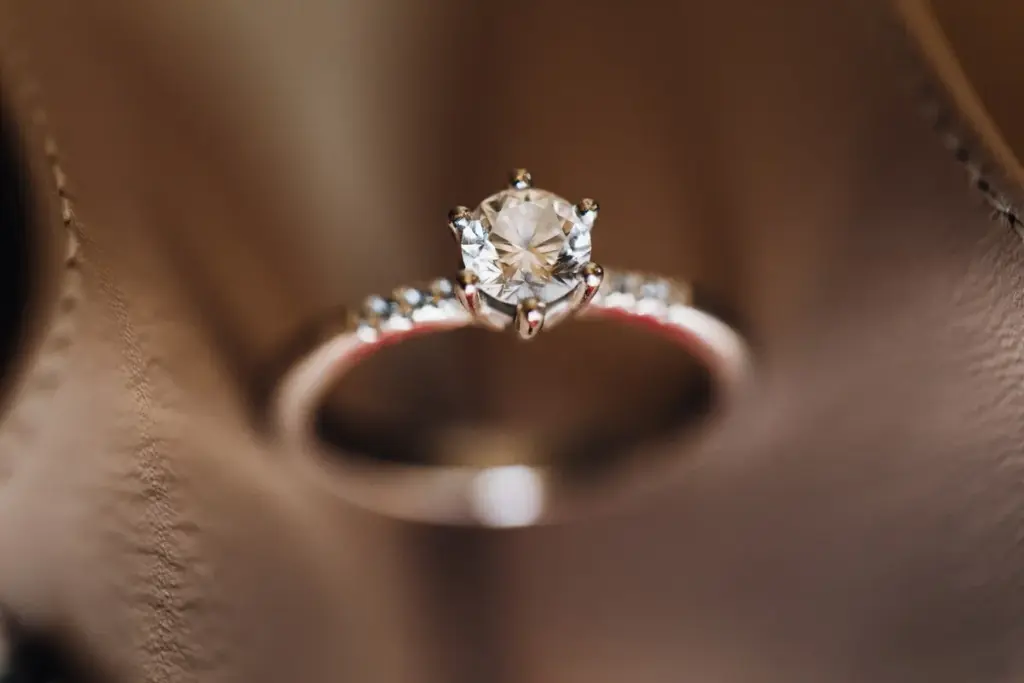
Walk into any jewelry store in Manhattan and you’ll hear the same pitch: diamonds are forever, they’re a safe investment, they only go up. But if you’ve ever tried to sell one, you know the reality can feel very different. The question of whether diamonds hold value in NYC is one we hear constantly, from people going through divorces, settling estates, or simply reassessing what’s sitting in a drawer. The honest answer is more nuanced than either the jewelry industry or the doom-and-gloom crowd wants to admit.
The Retail Markup Nobody Warned You About
Here’s the thing most people don’t realize until it’s too late: when you buy a diamond from a retail jeweler, you’re paying for a lot more than the stone itself. You’re paying for the storefront on Fifth Avenue, the sales staff, the velvet boxes, the marketing budget, and a healthy profit margin on top of all that. That markup can be anywhere from 100% to 300% above what the diamond is actually worth on the secondary market.
So when someone sells a diamond and gets back significantly less than they paid, it doesn’t necessarily mean the stone lost value. It means they’re now selling at market price instead of retail price. Those are two very different things, and conflating them leads to a lot of frustration and confusion.
The good news is that the underlying stone, particularly a well-cut, GIA-certified diamond with strong color and clarity grades, absolutely retains real-world market value. It won’t vanish. It won’t corrode. A quality diamond from 1985 is still a quality diamond today. If you want a clearer picture of what your specific stone might fetch, this breakdown of every factor that affects diamond worth is worth reading before you make any decisions.
Size, Quality, and the Stones That Actually Appreciate
Not all diamonds are created equal when it comes to resale. A one-carat, well-proportioned round brilliant with a GIA certificate and strong grades across the 4Cs behaves very differently on the resale market than a half-carat stone with poor cut and a vague appraisal from a mall jeweler.
Larger stones, particularly anything above two carats, tend to hold their value more reliably because demand for them is consistent and the supply is genuinely limited. Fancy shapes like ovals, cushions, and emerald cuts have surged in popularity over the past several years, which has actually pushed their resale values up in certain size ranges. Rounds remain the most liquid, meaning they sell fastest, which matters if you need cash quickly.
Colored diamonds are a different conversation entirely. Natural fancy yellows, pinks, and blues have seen significant appreciation over time, driven by scarcity and collector demand. If you’re sitting on a fancy colored stone, you may be holding something worth considerably more than you think.
One thing that has genuinely changed the landscape: lab-grown diamonds. Their rapid rise has put some downward pressure on the lower end of the natural diamond market, particularly for smaller, lower-grade stones. If you’re curious how that affects your options, here’s what you need to know about selling lab-grown diamonds specifically.
Why Selling in New York Changes the Equation
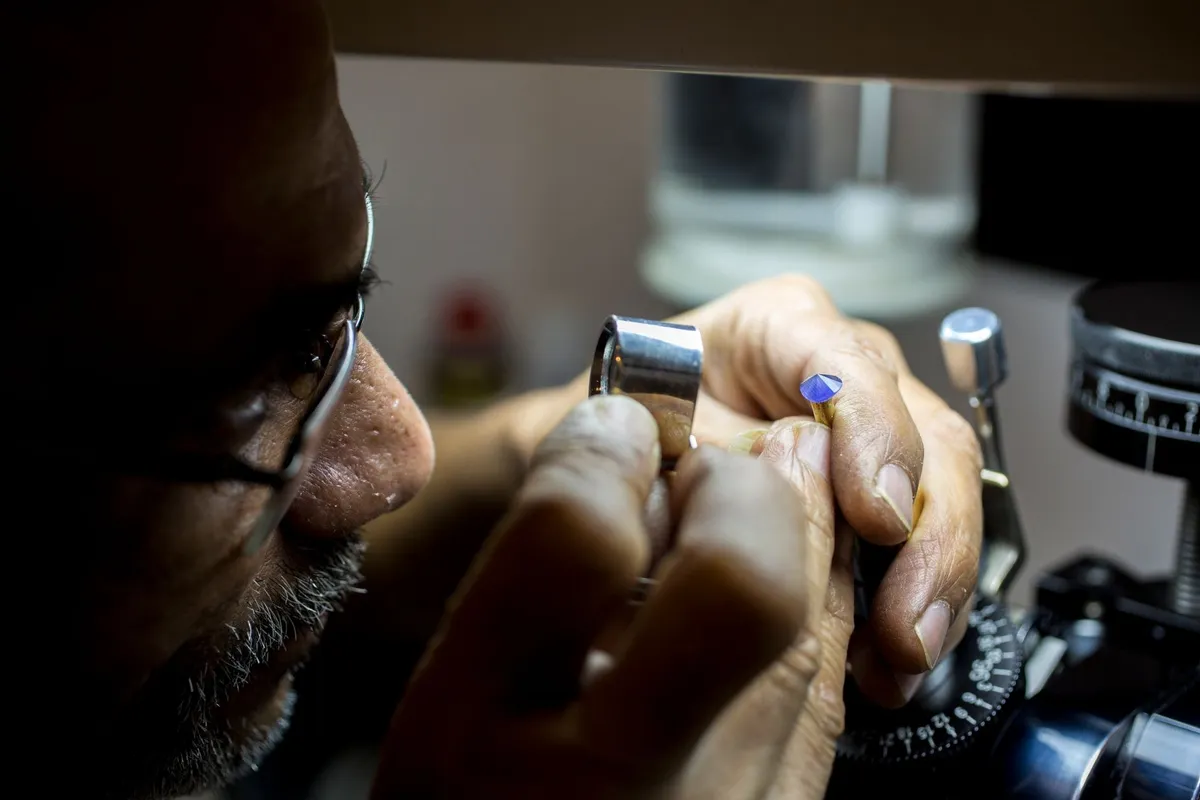
Location genuinely matters when you’re liquidating a diamond. New York, and the Diamond District in particular, has one of the most concentrated networks of buyers, dealers, and wholesalers anywhere in the world. That competition works in your favor. Buyers here have direct access to international markets, which means they can offer prices that a local pawn shop in another city simply can’t match.
That said, not every buyer in the city operates the same way. Some are looking to flip quickly and will lowball accordingly. Others specialize in specific stone types or sizes. Knowing who you’re walking in to see matters as much as knowing what you’re selling. People who’ve worked with experienced diamond buyers in NYC often say the biggest difference was feeling like they were dealing with someone who actually knew the stone’s worth, not just someone trying to move inventory.
The buyers who have been doing this for decades have seen every market cycle. They’ve bought diamonds during recessions, during booms, and during everything in between. That perspective shapes how they price, and it often means a fairer offer for the seller.
What Smart Sellers Do Before They Walk In the Door
The sellers who get the best outcomes aren’t necessarily the ones with the most valuable stones. They’re the ones who come prepared. That means gathering any paperwork, GIA or AGS certificates, original receipts, prior appraisals, and understanding that an insurance appraisal is not the same as a market value estimate. Insurance appraisals are typically inflated on purpose, and walking in expecting that number will only lead to disappointment.
It also means getting more than one offer. A reputable buyer won’t pressure you to decide on the spot. If someone is rushing you or making the process feel uncomfortable, that’s a signal to walk out and try somewhere else. The right buyer will explain how they arrived at their number, answer your questions directly, and give you time to think.
If you want to be thorough before you go, this checklist for a seamless diamond transaction in NYC covers everything worth having in order before you sit down with a buyer.
Diamonds do hold value, but how much value you actually walk away with depends on the stone, the market, and who you choose to sell to. In a city like New York, the opportunity to get a fair price is real. You just have to know how to approach it.
Frequently Asked Questions
Why did I get so much less than I paid when I tried to sell my diamond in NYC?
What you paid at retail included the store’s overhead, staff, marketing, and profit margin, not just the stone itself. That markup can run anywhere from 100% to 300% above what the diamond is actually worth on the secondary market, so selling at market price will almost always look like a loss compared to what you originally spent. The stone didn’t necessarily lose value; you’re just no longer paying for a Fifth Avenue storefront.
Does the size of my diamond actually make a difference in what I can get for it?
Yes, significantly, stones above two carats tend to hold their market value more reliably because demand is consistent and supply is genuinely limited. Smaller stones, especially lower-grade ones, have faced more downward pressure recently, partly because of the rise of lab-grown diamonds eating into that end of the market. If your stone is on the larger side with strong grades and a GIA certificate, you’re in a better position than you might assume.
My insurance appraisal says my diamond is worth $8,000, why is every buyer offering me so much less?
Insurance appraisals are intentionally inflated so your policy covers replacement cost at full retail, which has nothing to do with what a buyer will pay you on the secondary market. Walking into a sale expecting that number is one of the most common reasons sellers leave frustrated. The number you want before meeting a buyer is a market value estimate, not an insurance figure.
Is it actually worth going to the Diamond District specifically, or can I sell anywhere in the city?
The Diamond District gives you a real advantage because the concentration of buyers, dealers, and wholesalers there creates competition that works in your favor. Buyers in that network have direct access to international markets, which means they can offer prices a local pawn shop or general jeweler simply can’t match. That said, not every buyer there operates the same way, so knowing who you’re sitting down with matters as much as knowing what you’re selling.
What should I bring with me when I go to sell, and how many buyers should I see?
Bring any GIA or AGS certificates, original receipts, and prior appraisals, paperwork gives a buyer confidence and often supports a stronger offer. Getting more than one offer is worth the extra time, and a reputable buyer won’t pressure you to decide on the spot; if someone is rushing you, that’s a reason to walk out. The sellers who come out ahead are usually the ones who showed up prepared and took the time to compare offers rather than accepting the first number they heard.
Get Directions to Selling Diamonds in NYC
🎧 Listen to this as a podcast
Also on Apple Podcasts, Spotify, and Amazon Music.