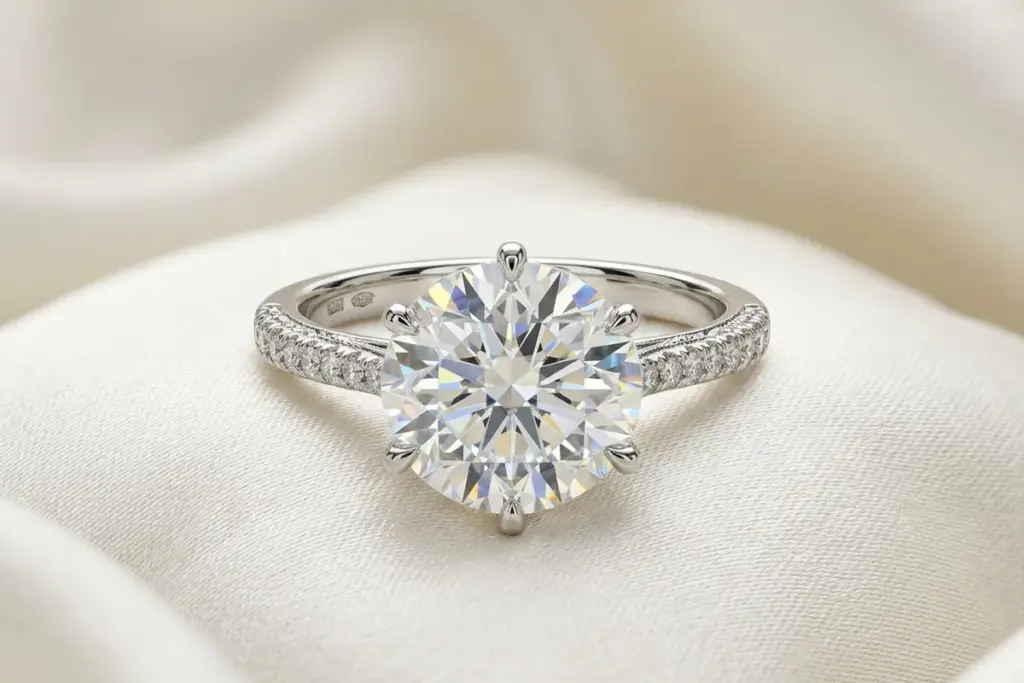
Most people who decide to sell diamonds NYC focus entirely on getting the best price, which makes complete sense. But very few stop to think about what actually happens to their stone once the transaction is done. Where does it go? Who buys it next? And does any of that affect how much you should expect to receive? It turns out, understanding the journey of a diamond after it leaves your hands can make you a significantly smarter seller before you even walk through the door.
Your Diamond Doesn’t Retire, It Gets a Second Life
Here’s something most buyers won’t volunteer: the diamond you’re selling almost certainly won’t sit in a vault. The secondary diamond market is more active than most people realize. Stones get re-cut, re-set, re-certified, and resold, sometimes within weeks. Larger, high-quality diamonds often find their way back into fine jewelry pieces. Smaller stones get grouped and used in pavé settings or side-stone configurations.
Why does this matter to you as a seller? Because it tells you something important about what buyers actually value. A buyer who has strong retail connections will pay more for your stone than one who simply warehouses inventory. When you’re evaluating offers, it’s worth asking, politely, what their typical resale channel looks like. A reputable diamond buyer in NYC with active industry relationships can afford to offer you more because they move stones efficiently. That’s not charity, it’s just good business math working in your favor.
The Grading Report Follows the Stone Everywhere
If your diamond came with a GIA or AGS certificate, that document is arguably as valuable as the stone itself. Buyers use it to verify what they’re purchasing, and downstream buyers, retailers, collectors, private clients, rely on it to justify the price they pay. A certified stone is simply easier to sell at every level of the market, which means buyers can offer more for it upfront.
What happens if you don’t have the original certificate? The stone doesn’t become worthless, but it does create friction. A reputable buyer will assess the stone independently, which takes more time and introduces more conservatism into the offer. Some sellers are surprised to learn their stone gets sent for re-grading before it moves further along the chain. That process has a cost, and it often gets reflected in what you’re offered. If you still have your original paperwork, bring it. If you’re not sure what documentation matters most, this resource on selling diamonds in NYC breaks down exactly what to prepare before your appointment.

The Setting Usually Gets Melted Down, And That’s Fine
This one surprises a lot of first-time sellers. When you bring in a diamond ring or pendant, the buyer is almost always evaluating the center stone and the metal separately. The setting, no matter how intricate or sentimental, typically gets melted down for its gold or platinum content. It rarely gets resold as-is because buyers have no way to guarantee the craftsmanship history or structural integrity of a pre-owned setting.
That’s not a slight against your jewelry. It’s just how the market works. The good news is that the metal still has real value. Whether your piece is set in yellow gold, white gold, or platinum, that material gets weighed and priced at current spot rates. If your ring has side stones, those get evaluated separately too. A thorough buyer breaks everything down into its components and prices each one honestly. If someone gives you a single lump-sum offer without explaining how they arrived at it, that’s a signal to ask more questions, or walk down the block.
For those selling pieces that contain platinum specifically, it helps to know that platinum trades differently than gold and often requires a specialist. The team at Selling Diamonds in NYC also buys platinumso you won’t need to split your transaction across multiple buyers.
What Reputable Buyers Do With the Money You Walk Away With
This might sound like an odd angle, but bear with it. Understanding a buyer’s business model helps you identify who’s worth your time. Buyers who operate with transparency, clear pricing, explained offers, no pressure tactics, tend to run businesses built on repeat clients and referrals. That reputation costs them something, which means they have an incentive to treat you fairly the first time.
Buyers who lowball aggressively and rely on volume often count on sellers not knowing their stone’s worth. Many customers who’ve worked with established buyers in the Diamond District have noted afterward that the transparency of the process was what surprised them most, not just the offer itself, but the fact that someone actually took the time to walk them through the reasoning behind it. That kind of experience is more common than people expect when you choose the right buyer.
If you’re ready to take the next step, getting a no-obligation offer is straightforward. You can submit your piece for an offer and get a clear sense of what your diamond is worth in today’s market, without any pressure to commit on the spot. Knowing what happens after the sale is useful context. But knowing what you’ll receive before it? That’s where the real preparation begins.
Frequently Asked Questions
If my diamond gets re-cut or re-set after I sell it, does that mean I left money on the table?
Not necessarily, re-cutting and re-setting are standard steps buyers take to prepare a stone for their specific resale channel, and those costs come out of their margin, not yours. What actually affects your offer is whether the buyer has strong retail connections to move the stone quickly, because efficient resale lets them pay more upfront. The article makes the point clearly: a buyer with active industry relationships can afford a better offer than one who just warehouses inventory.
What actually happens to my GIA certificate after the transaction is complete?
The certificate follows the stone, buyers pass it along to whoever purchases the diamond next, whether that’s a retailer, collector, or private client, because it’s what justifies the price at every level of the market. If you don’t have the original paperwork, the buyer will assess the stone independently, which takes more time and typically results in a more conservative offer. In some cases the stone gets sent for re-grading before it moves further along the chain, and that cost gets reflected in what you’re offered.
My ring has an intricate setting I paid a lot for, will any of that craftsmanship value be factored into the offer?
Honestly, no, the setting almost always gets melted down for its metal content regardless of how detailed or expensive the design was, because buyers have no way to verify the structural integrity or craftsmanship history of a pre-owned piece. The metal itself still has real value and gets weighed and priced at current spot rates for gold or platinum. Side stones in the setting get evaluated separately, so a thorough buyer will break the whole piece into components rather than giving you one unexplained lump-sum number.
Do I need a separate buyer if my ring is set in platinum rather than gold?
No, platinum trades differently than gold and does require someone who knows how to price it correctly, but you don’t need to split your transaction across multiple buyers if you go to the right place. The article specifically notes that the team at Selling Diamonds in NYC handles platinum as part of the same transaction. Splitting a sale across multiple buyers adds friction and rarely works in your favor.
How do I know if a buyer in the Diamond District is being straight with me about the offer?
A straightforward signal is whether they explain how they arrived at the number, breaking down the stone, the metal, and any side stones separately rather than handing you a single figure with no reasoning behind it. Buyers who rely on repeat clients and referrals have a real incentive to be transparent, because their reputation costs them something if they’re not. If someone gives you a lump-sum offer without walking you through the math, the article’s advice is direct: ask more questions, or walk down the block.
Get Directions to Selling Diamonds in NYC
🎧 Listen to this as a podcast
Also on Apple Podcasts, Spotify, and Amazon Music.
Pingback: Sell GIA Certified Diamond: Preparation Tips for NYC