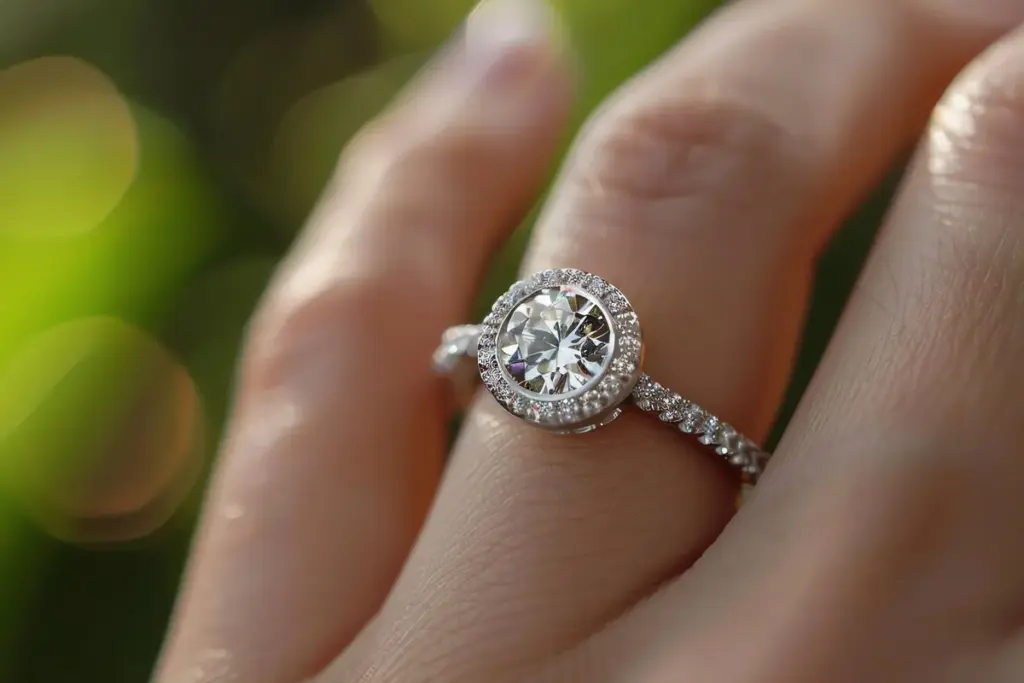
Most people who decide to sell diamonds NYC spend a lot of time worrying about the wrong things, polishing the stone, digging up old receipts, wondering if the setting matters. What they rarely do is walk into that appointment armed with the right questions. And that silence? It costs them money. The buyer across the table has done this thousands of times. You probably haven’t. Asking sharp, direct questions before you agree to anything is the single most effective way to level that playing field.
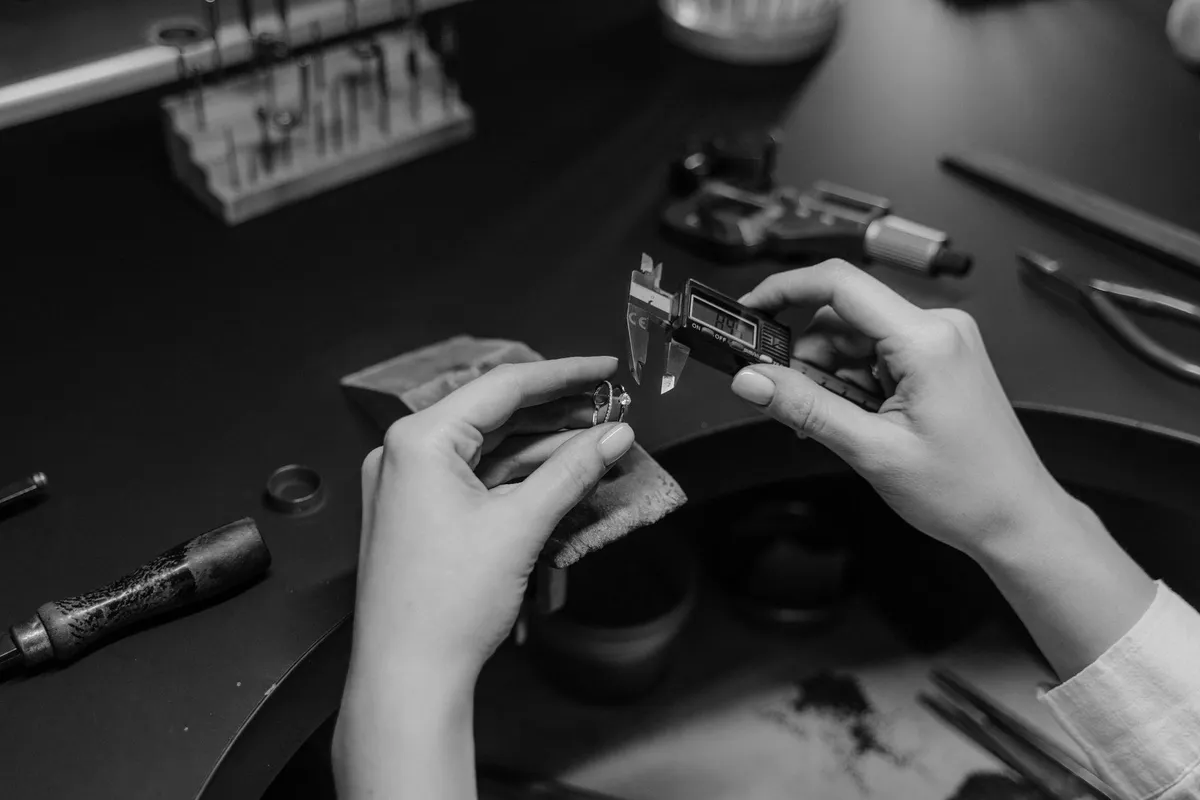
What Are You Actually Paying Me For, and What Are You Ignoring?
This is the first question most sellers never think to ask, and it’s the one that matters most. When a buyer makes an offer, that number is based on specific factors, carat weight, cut, color, clarity, and current market demand. But what’s not included in that offer is just as important.
Some buyers will discount a stone heavily for minor inclusions that barely affect its real-world value. Others will undervalue a diamond because it lacks a GIA certificate, even when the stone’s quality speaks for itself. Ask your buyer to walk you through exactly which characteristics they’re pricing and which ones they’re discounting, and why. A reputable buyer won’t hesitate to explain their methodology. One who gets vague or defensive when you ask? That’s your answer right there.
It’s also worth asking whether the setting or mounting holds any separate value. Platinum and gold settings carry their own melt value, and a good buyer will assess them independently rather than lumping everything together into one lowball figure. If you’re also holding other pieces, a trusted jewelry buyer in NYC should be able to evaluate the full picture, not just the center stone.
How Do You Determine Current Market Value for a Stone Like Mine?
Diamond pricing isn’t static. It shifts with global supply, consumer trends, and demand cycles. A buyer who quotes you a number without referencing current market conditions is either working from outdated data or hoping you won’t notice the difference.
Ask them directly: what market are they using as a benchmark? Are they referencing the Rapaport Price List, the industry’s standard wholesale pricing guide? Are they factoring in recent auction results for comparable stones? Do they have active buyers or inventory needs that might make your particular diamond more valuable to them right now?
This question does two things. First, it signals that you’ve done your homework, which tends to bring out more honest offers. Second, it gives you real information you can compare across multiple buyers. And you should absolutely be getting multiple offers. Visiting two or three established buyers before committing isn’t rude, it’s smart. Experienced sellers who’ve worked with buyers at reputable diamond buyers in NYC often say the difference between a first offer and a final offer, after doing their research, was more significant than they expected.

Are You a Direct Buyer or Are You Acting as a Middleman?
This one catches a lot of people off guard. Not every business that says “we buy diamonds” is actually the end buyer. Some are brokers who take your stone, shop it to their own network, and pocket the margin in between. There’s nothing inherently wrong with that model, but you deserve to know which situation you’re in.
A direct buyer can make a decision on the spot and pay you immediately. A middleman might need to “check with someone” or “come back to you tomorrow”, and every layer of that chain is a layer of profit taken out of your pocket. At Selling Diamonds NYCoffers are made directly, which means no waiting around and no wondering where your stone went while someone else decides its fate.
Ask plainly: “Are you the one making the final decision today?” If the answer involves anyone else, ask why, and factor that into how you weigh the offer.
What Happens If I Change My Mind After the Offer?
A question that rarely gets asked until it’s too late. Once you hand over a stone and accept payment, the transaction is generally final. But the period between receiving an offer and actually completing the sale? That’s where things can get murky if you’re not clear on the terms upfront.
Ask whether the offer is valid for a set period, say, 24 or 48 hours, so you have time to compare it against other buyers without feeling pressured. Ask what the process looks like if you decide not to sell. A trustworthy buyer will have a clear, comfortable answer. Pressure tactics, “this offer is only good right now” or “I can’t hold this price”, are a red flag, not a sales technique.
Also ask about payment method. Cash, check, wire transfer, they’re not all equal in terms of speed and security. Know what you’re getting before you agree to anything. Many sellers who’ve had smooth, satisfying experiences with professional buyers mention this specifically: the transparency around payment and timeline made all the difference in how confident they felt walking out the door.
If you want a broader sense of what to expect before your appointment, the diamond buyers NYC resource page is a solid starting point for understanding how the process works from start to finish. Going in informed isn’t just about getting a better price, it’s about making a decision you feel good about, whatever you ultimately choose to do.
Frequently Asked Questions
Should I bother getting my diamond certified before meeting with a buyer in NYC?
Not necessarily, some buyers in NYC will discount a stone for lacking a GIA certificate even when the quality is obvious just by looking at it, and the article flags this as a pricing tactic worth questioning directly. Ask your buyer upfront whether they’re penalizing you for the missing paperwork, and if so, by how much. That number will tell you whether rushing to get a certificate before your appointment is actually worth the time and cost.
Does the gold or platinum setting around my diamond add anything to the offer?
It should, because platinum and gold carry their own melt value that a thorough buyer will assess separately rather than folding everything into one combined figure. If a buyer quotes you a single number for the whole piece without breaking out the metal, ask them to itemize it, a setting evaluation is a reasonable thing to expect. Getting that breakdown keeps you from leaving money on the table on a part of the transaction that has nothing to do with the stone itself.
How do I know if the buyer I’m sitting across from is actually making the decision, or just passing my stone along to someone else?
Ask them directly: “Are you the one making the final decision today?” A direct buyer can give you an offer and pay you on the spot, while a broker needs to check with their network first, and every extra hand in that chain takes a cut before the money reaches you. If the answer involves anyone else, you’re entitled to know why, and that should factor into how seriously you weigh what they’re offering.
Is it actually acceptable to visit multiple buyers before committing to one in NYC?
Completely, the article is direct about this, describing it as smart rather than rude, and notes that sellers who compared offers often found the gap between a first offer and a final offer was larger than they expected. Two or three stops before you commit is a reasonable approach, especially since you’re under no obligation until you accept payment and hand over the stone. Treat the first appointment as information-gathering, not a closing.
What should I ask about payment before I agree to anything?
Find out the method, cash, check, or wire transfer, because they differ in speed and security, and you want that settled before the transaction is done, not after. Also confirm whether the offer stays valid for 24 or 48 hours, which gives you room to compare without being pushed into a decision on the spot. Any buyer who tells you the price is only good right now is applying pressure, and the article treats that as a warning sign, not standard practice.
Get Directions to Selling Diamonds in NYC
🎧 Listen to this as a podcast
Also on Apple Podcasts, Spotify, and Amazon Music.