
When people decide to sell diamonds NYCone of the first things they do is dig out an old appraisal document, the one tucked in a drawer or taped inside a jewelry box. They look at that number, feel a surge of optimism, and walk into a buyer’s office expecting a check that matches it. What happens next is almost always a surprise, and not a pleasant one. Appraisal myths are running rampant in this city, and they cost sellers real money every single day.
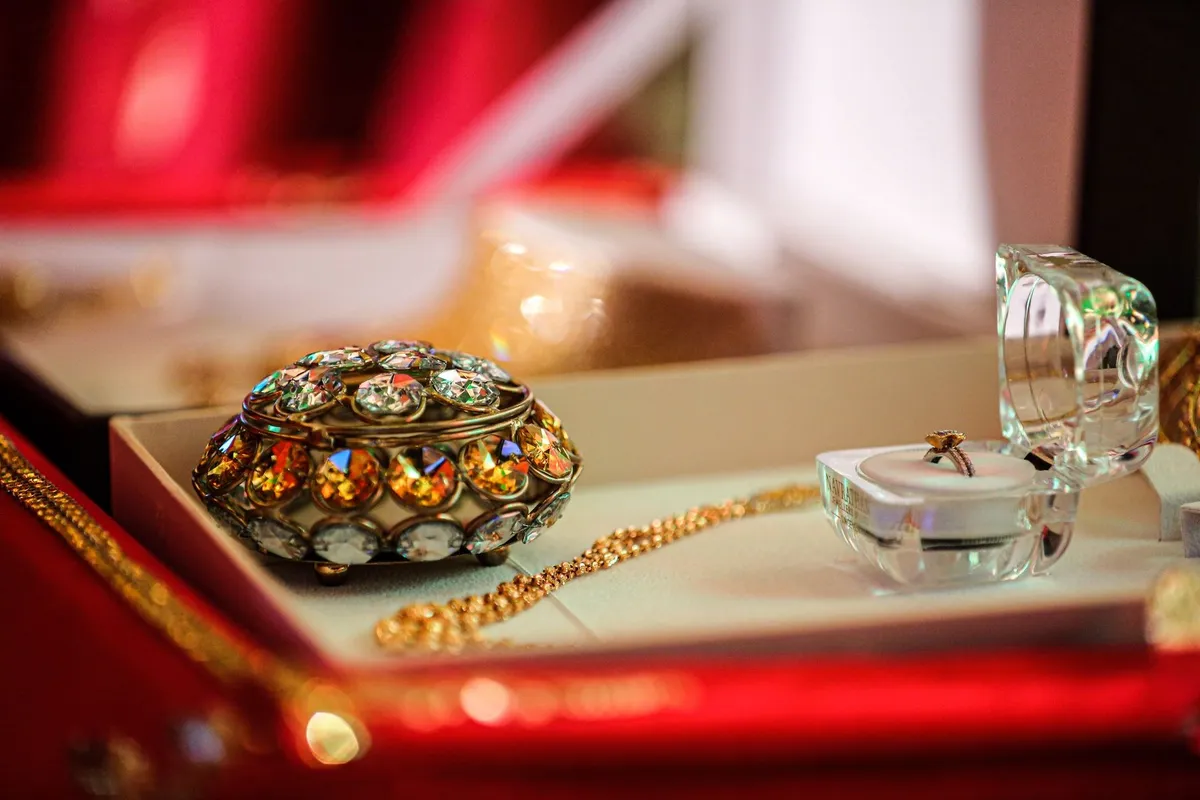
That Appraisal Number Is Not What Your Diamond Is Worth
Here’s the thing nobody explains at the jewelry counter: retail appraisals are written for insurance purposes, not for resale. When a jeweler appraises a diamond at $8,000, they’re telling your insurance company what it would cost to replace that stone at full retail price, markups, overhead, and all. That figure has almost nothing to do with what a buyer will actually pay you for the stone today.
The resale market operates on wholesale pricing. A reputable diamond buyer in NYC is evaluating your stone based on what it would cost to source a comparable diamond through trade channels, not what Tiffany charges on Fifth Avenue. Sellers who walk in anchored to their insurance appraisal number are setting themselves up for frustration before the conversation even starts.
A more useful benchmark? Look at what comparable stones are actually selling for on the secondary market right now. Platforms like Rapaport publish wholesale price lists that professional buyers use. Your diamond’s value lives somewhere in that range, not in the inflated figure on your appraisal certificate.
A GIA Certificate Is Powerful, But It’s Not a Price Tag
Many sellers come in clutching a GIA grading report like it’s a golden ticket. And to be fair, a GIA certificate is genuinely valuable, it confirms your diamond’s characteristics with authority and removes any doubt about what you’re selling. Buyers trust it. It absolutely helps your case.
What it doesn’t do is set your price. The GIA grades the stone; it doesn’t tell you what the market will pay for it on a given Tuesday in Manhattan. Two diamonds with identical GIA grades can sell for very different amounts depending on current demand, the specific cut quality, fluorescence, and even buyer preference at that moment.
Fancy-shaped diamonds, ovals, pears, cushions, have seen shifting demand in recent years. A round brilliant that graded identically to a pear shape on paper might command a noticeably different offer based purely on what buyers are moving right now. This is why working with experienced diamond buyers in NYC matters. They know the current market, not just the certificate.
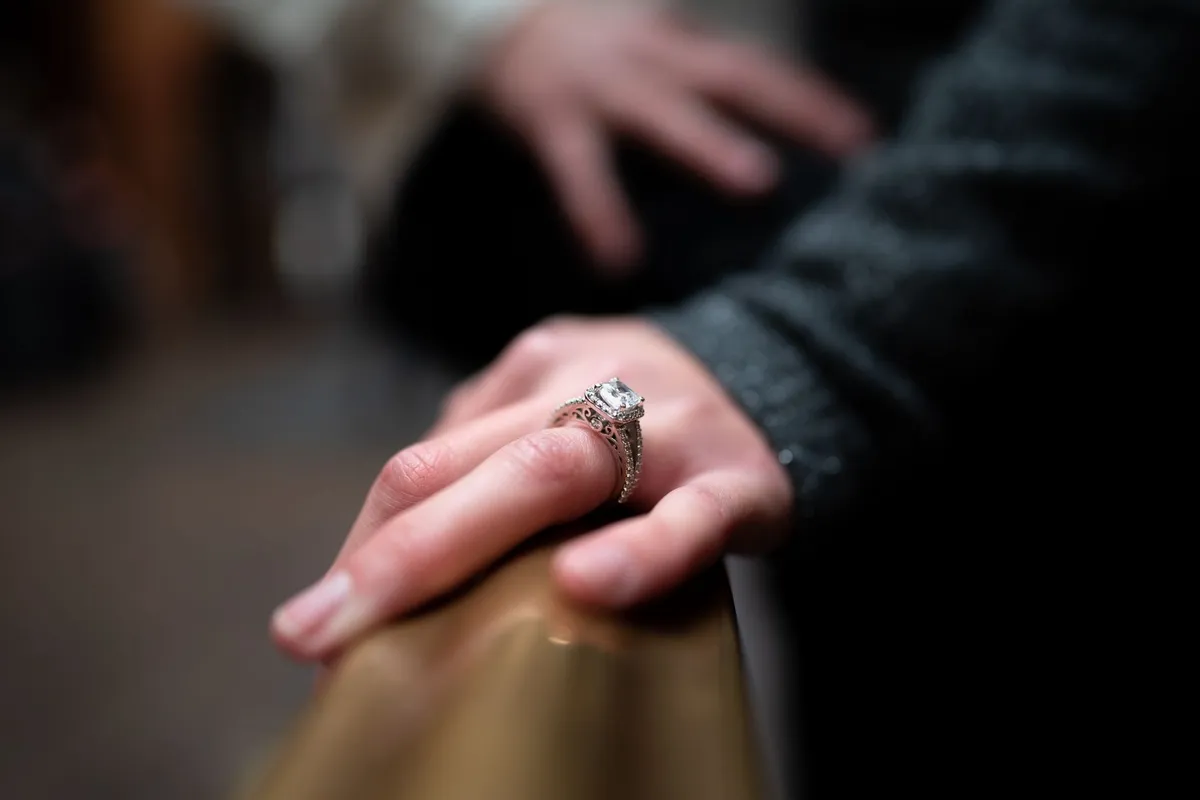
Older Appraisals Are Especially Misleading
Diamond prices fluctuate. The market in 2015 looked different from 2019, which looked nothing like 2022, and today has its own dynamics entirely. An appraisal that’s five or ten years old is essentially a historical document, interesting, but not particularly useful for pricing a sale today.
Many sellers inherited pieces from parents or grandparents and have appraisals that are decades old. Those numbers reflect a completely different market environment. Some stones have appreciated; others, particularly certain cuts that have fallen out of fashion, may fetch less than the old paperwork suggests.
If you’re serious about getting a fair return, consider getting a fresh appraisal from an independent gemologist, someone with no financial stake in buying or selling your stone. It costs a modest fee, but it gives you a realistic starting point before you walk through any buyer’s door. For a practical walkthrough of what to prepare before your appointment, this checklist for a seamless transaction is worth reading before you go anywhere.
The Myth That All Buyers Offer the Same Price
This one might be the most expensive misconception of all. A lot of people assume that diamonds are commodities, that every buyer in the city will offer roughly the same amount, so it doesn’t much matter where you go. That assumption can cost you thousands.
Offers vary significantly depending on who’s buying, what their current inventory looks like, what their clientele wants, and how much capital they have available. A pawn shop operates on completely different margins than a specialist who focuses exclusively on fine diamonds and estate jewelry. The difference in offers for the same stone can be dramatic.
Getting multiple offers isn’t just smart, it’s essential. Sellers who take the time to visit two or three reputable buyers consistently report walking away with better results than those who accept the first offer they receive. Several people who’ve worked with our team on West 47th Street have mentioned that the transparency of the process, having the evaluation explained step by step, made them feel confident they were getting a genuine number rather than a lowball figure designed to exploit their uncertainty.
If you’re also carrying other pieces, gold, platinum, or a watch, it’s worth knowing that a full-service buyer can assess everything at once. Goldplatinumand even luxury watches can be evaluated in the same appointment, which saves time and gives you a clearer picture of your total assets.
The bottom line is straightforward: appraisal documents are tools for insurance companies, not roadmaps for resale negotiations. Walking into a sale with realistic expectations, grounded in current market conditions, not old paperwork, is what separates sellers who leave satisfied from those who leave frustrated. Do the homework, get the right buyer in the room, and let the actual stone speak for itself. For more on what drives real value when parting with a diamond, this insider guide to maximum returns covers the details worth knowing before you commit to any offer.
Frequently Asked Questions
My insurance appraisal says $8,000, why would a buyer offer me so much less than that?
Insurance appraisals are written to reflect what it would cost to replace your diamond at full retail price, including the store’s markup and overhead, not what the stone trades for on the wholesale market. When a buyer in NYC evaluates your diamond, they’re working from wholesale pricing benchmarks like the Rapaport price list, which reflects what comparable stones actually move for through trade channels. Those two numbers can be dramatically different, and the gap isn’t the buyer lowballing you, it’s just two completely different pricing systems.
I have a GIA certificate, doesn’t that lock in a specific value for my diamond?
A GIA certificate confirms your diamond’s characteristics with real authority, and buyers do trust it, but it doesn’t assign a price. Two stones with identical GIA grades can fetch noticeably different offers depending on current demand, cut specifics, fluorescence, and even which shapes buyers are moving at that moment. A round brilliant and a pear shape might grade the same on paper but command very different offers on any given day in Manhattan.
I have an appraisal from 2010, is it still useful when I go to a buyer?
An appraisal that old is essentially a historical document, it reflects market conditions from a completely different era, and diamond prices have shifted considerably since then. Certain cuts that were fashionable in 2010 may fetch less today, while other stones may have moved in the opposite direction. If you want a realistic starting point before walking into any buyer’s office, spending a modest fee on a fresh evaluation from an independent gemologist is worth it.
Does it really matter which buyer I go to, or do they all offer roughly the same amount?
It matters significantly, offers on the same stone can vary by thousands of dollars depending on who’s buying, what their current inventory looks like, and what their clientele wants. A pawn shop operates on entirely different margins than a specialist focused exclusively on fine diamonds and estate jewelry, and that difference shows up directly in the offer. Getting quotes from two or three reputable buyers before committing is one of the most concrete things you can do to protect your return.
I’m bringing in a diamond ring but also have some gold jewelry and a watch, should I make separate trips for each?
No, a full-service buyer can evaluate diamonds, gold, platinum, and luxury watches all in the same appointment. Doing it in one visit saves time and gives you a clearer picture of what your total collection is actually worth before you make any decisions. It’s worth confirming ahead of time that the buyer you’re visiting handles all of those categories, since not every shop does.
Get Directions to Selling Diamonds in NYC
🎧 Listen to this as a podcast
Also on Apple Podcasts, Spotify, and Amazon Music.
Pingback: Sell Solitaire Ring in NYC: What to Expect